
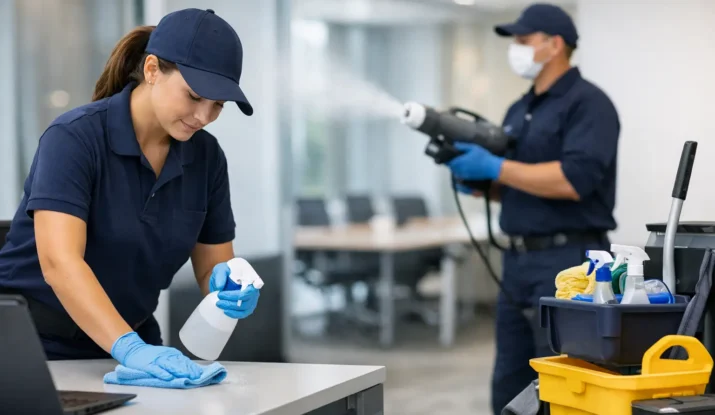
A restroom with empty soap dispensers, a break room with overflowing trash, or a lobby floor that looks neglected sends an immediate message about how a business operates. Facility sanitation is not a cosmetic extra. It is a daily operating standard that affects employee confidence, visitor impressions, health-conscious practices, and the condition of the property itself.
For facility managers and business owners, the challenge is not simply finding someone to clean. It is creating a dependable system that addresses high-touch areas, restrooms, waste, consumables, floors, and the unexpected issues that can disrupt a normal workday. The right sanitation plan makes cleanliness visible without getting in the way of business.
Facility Sanitation Is More Than Surface Cleaning
Cleaning, sanitizing, and disinfecting are related tasks, but they are not interchangeable. Cleaning removes visible soil, dust, debris, and spills from surfaces. Sanitizing reduces certain germs on appropriate surfaces to levels considered safer under public-health standards. Disinfecting uses an approved product and required dwell time to address germs on hard, nonporous surfaces.
A well-managed facility needs all three, applied where they make sense. A warehouse aisle may require routine debris removal and periodic machine scrubbing. A medical waiting area may require more frequent attention to high-touch surfaces. A restaurant needs careful restroom care, waste handling, kitchen-adjacent cleaning, and dependable linen or apron service. Treating every room the same can waste resources in low-risk areas while leaving high-use spaces under-served.
The goal is not to apply chemicals everywhere. It is to use trained procedures, appropriate products, and consistent schedules that match how a building is actually used.
Start With the Areas People Notice First
Sanitation priorities should reflect traffic, touch frequency, and the consequences of a missed task. Entrances, reception areas, restrooms, break rooms, elevator buttons, shared workstations, door handles, and conference rooms usually deserve close attention because they affect both perception and daily exposure.
Restrooms are especially revealing. Guests and employees notice full trash cans, odors, empty dispensers, streaked mirrors, and wet floors immediately. Reliable restroom sanitation includes cleaning and disinfecting touchpoints, replenishing soap and paper products, monitoring feminine hygiene disposal, and addressing floor moisture that can become a slip hazard.
Break rooms create a different set of concerns. Food residue, shared appliances, sinks, tables, and trash can quickly become a source of odor and complaints. Routine service should include wiping and disinfecting commonly touched surfaces, removing waste, cleaning spills promptly, and keeping liners, towels, soap, and other consumables available.
For offices, high-touch cleaning may focus on common areas rather than individual desks, depending on privacy requirements and employee schedules. For industrial facilities, the plan may need to account for dust, production debris, oils, loading docks, locker rooms, and safety-sensitive flooring. Good sanitation is site-specific, not one-size-fits-all.
Build a Schedule Around Risk and Use
The best frequency is rarely determined by square footage alone. A small, heavily used office can require more restroom and touchpoint service than a much larger but lightly occupied property. Start by looking at occupancy, operating hours, customer volume, the type of work performed, and whether food, health care, children, or the public are involved.
Daily service is often appropriate for restrooms, waste removal, entrance areas, break rooms, and high-traffic floors. High-touch surfaces may need attention more than once per day in busy public-facing settings. Weekly work can include detailed dusting, carpet vacuuming, floor maintenance, and cleaning less frequently used rooms. Periodic work such as carpet extraction, hard-floor refinishing, pressure washing, and high dusting protects the facility over the longer term.
There is a trade-off to consider. Scheduling too little service can lead to complaints, odors, safety issues, and premature wear on finishes. Scheduling more service than the building needs can increase costs without improving results. A walkthrough, clear scope of work, and periodic review help keep the program aligned with actual conditions.
Use Procedures That Prevent Cross-Contamination
The tools and process matter as much as the schedule. A mop or cloth used in a restroom should never be used in a break room or reception area. Color-coded cleaning systems help teams keep tools assigned to the correct zone, reducing the risk of moving contaminants from one space to another.
Microfiber cloths and mops are effective for capturing soil when used correctly and laundered between uses. High-filtration vacuums can help remove fine dust and allergens from carpets and floors without simply redistributing particles into the air. For hard surfaces, technicians should follow product labels for dilution, application method, and dwell time. Spraying a product and wiping it off immediately may not deliver the intended sanitizing or disinfecting result.
Training also supports safety. Cleaning teams should understand chemical labeling, personal protective equipment, proper waste handling, wet-floor signage, and OSHA-compliant practices. These details protect building occupants as well as the people performing the work.
Keep Supplies From Becoming a Daily Emergency
A sanitation plan fails when the products people need are unavailable. Empty hand soap, paper towel, tissue, gloves, liners, and cleaning supplies create frustration and can interrupt normal operations. For restaurants, hospitality properties, and industrial workplaces, missing towels, aprons, floor mats, or disposable products can create an immediate operational problem.
This is why supply management belongs in the larger facility sanitation conversation. A dependable provider can coordinate recurring cleaning with scheduled replenishment, so the team responsible for cleanliness also understands what each location consumes. That reduces the time an office manager or operations leader spends placing separate orders, tracking deliveries, and responding to last-minute shortages.
Usage patterns should be reviewed over time. A facility that adds shifts, hosts more visitors, or changes its restroom layout may need a different replenishment schedule. Adjusting before supplies run out is far more efficient than reacting after employees or customers have already noticed.
Protect Floors, Waste Areas, and Exterior Touchpoints
Facility sanitation extends beyond desks and restrooms. Floors represent a major investment and often receive the hardest use. Dirt and grit tracked in from sidewalks and parking areas can wear down finishes, dull tile, and damage carpet fibers. Entry mats, routine vacuuming, auto-scrubbing, spot treatment, and scheduled floor care can protect appearance while extending the usable life of surfaces.
Waste areas need similar attention. Overflowing dumpsters, loose debris, odors, and poorly maintained loading areas can attract pests and create an unprofessional impression. Regular trash removal, junk removal when needed, and cleaning around waste collection points support a cleaner, more manageable property.
In Chicagoland, seasonal conditions make exterior maintenance particularly important. Winter salt, slush, and moisture can be tracked indoors quickly, while warmer months can reveal accumulated debris, stains, and pest concerns around entrances and service areas. Pressure washing and seasonal cleanup may be appropriate, but the timing and method should match the surface material and local conditions.
Choose Accountability, Not Just a Cleaning Checklist
A checklist is useful, but it does not replace ownership. Reliable facility sanitation depends on clear communication, documented expectations, trained staff, quality checks, and a responsive point of contact when priorities change. If a spill occurs before an event, a restroom needs extra attention, or a tenant reports an issue, the provider should be able to respond without creating a chain of calls between multiple vendors.
This is where a single-provider approach can simplify facility management. ABF Facility Services coordinates recurring janitorial service, specialty cleaning, sanitization, floor care, pest control, waste removal, and essential supply needs through one accountable relationship. Uniformed, insured teams using Green Seal-certified products where appropriate and professional equipment can help facilities maintain a consistent standard while reducing vendor coordination.
Ask practical questions before setting a sanitation program: Who performs quality inspections? How are missed tasks reported and corrected? What happens if supply usage changes? Are cleaning teams trained for the facility type? Can specialty work be scheduled without disrupting operations? Clear answers are a strong indicator that a provider understands the difference between completing tasks and managing a facility.
A clean building should not depend on constant reminders or emergency calls. When sanitation is planned around your people, traffic, inventory, and property conditions, it becomes one less operational concern and one more reason employees, tenants, and customers feel confident walking through the door.