
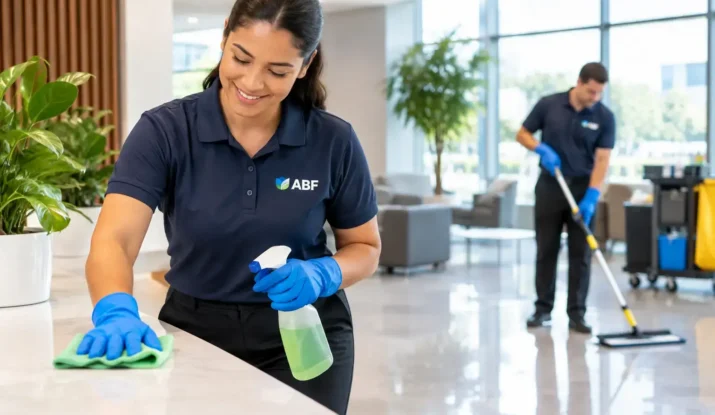
A freshly cleaned facility should not leave behind an overpowering chemical odor, slippery residue, or concerns about what employees and visitors are breathing. Green cleaning gives commercial property leaders a practical way to maintain high cleaning standards while reducing unnecessary exposure to harsh products and wasteful practices.
For offices, schools, health care settings, restaurants, retail spaces, and industrial facilities, the goal is not simply to use products labeled “green.” The goal is a cleaning program that protects people, supports indoor air quality, preserves building surfaces, and delivers consistent results without disrupting operations.
What Green Cleaning Means in a Commercial Facility
Green cleaning is a method of maintaining facilities with products, tools, equipment, and procedures selected to reduce environmental impact and support healthier indoor spaces. It considers more than the bottle of disinfectant or all-purpose cleaner. A complete program also looks at dilution control, microfiber use, vacuum filtration, waste handling, water use, staff training, and the condition of floors, restrooms, and high-touch areas.
In a commercial setting, responsible green cleaning should still meet the real-world demands of the property. A lobby floor must look polished. Restrooms must be sanitary and stocked. Break rooms need reliable cleaning. Industrial areas may require degreasing, dust control, or specialized equipment. Sustainable practices are valuable only when they also perform reliably for the people who use the building every day.
That is why product selection matters. Green Seal-certified products and other environmentally preferable options can help reduce harsh chemical exposure when they are matched to the surface, soil level, and task at hand. A neutral floor cleaner, for example, may help protect finished hard floors when used correctly, while a food-service area may require a different approved solution and process to meet sanitation needs.
Why Green Cleaning Matters to Facility Operations
The condition of a workplace affects how people experience it. Employees notice stale odors, dusty workstations, smudged glass, and restrooms that appear neglected. Customers, tenants, patients, students, and visitors form impressions quickly, often before they speak with anyone on site.
A well-managed green cleaning program can support a cleaner, more welcoming environment while helping facility teams address several operational priorities.
Better indoor air quality
Indoor air can be affected by dust, allergens, fragrance-heavy products, cleaning aerosols, and poor removal of fine particles. High-filtration vacuums help capture small particles instead of pushing them back into the air. Microfiber cloths and mops collect dust and soil effectively with less product and water than many traditional materials.
This does not mean every fragrance or conventional cleaning product is automatically unsafe. It means facilities should be deliberate. Products should be used at the proper dilution, stored safely, and chosen for the task instead of applied broadly out of habit.
Safer daily cleaning practices
Green cleaning supports safer work when crews use color-coded tools, clear procedures, and labeled chemicals. Color coding helps prevent a cloth or mop used in a restroom from being used in a break room or office area. Proper dilution reduces waste and can lower the risk of sticky residue, surface damage, and overuse of chemicals.
Trained cleaning professionals also understand where stronger intervention is required. A sustainable routine does not eliminate the need for EPA-registered disinfectants when disinfection is appropriate. In health-sensitive environments, during illness concerns, or on high-touch surfaces, the correct disinfectant must be used according to its label, including required dwell time.
Longer-lasting facility assets
Aggressive chemicals, excess water, and improper tools can wear down floors, carpets, fixtures, and finishes. Green cleaning methods often emphasize maintaining surfaces rather than reacting after damage occurs. Regular vacuuming, entryway mat service, spot removal, and appropriate floor care can reduce the abrasive grit that dulls hard floors and shortens carpet life.
For property managers and building owners, this matters because replacement costs add up. Preventive care can help protect the appearance and usable life of finish materials, carpet, tile, stone, and other high-investment surfaces.
Products Alone Do Not Create a Green Program
A facility can purchase environmentally preferable products and still have an ineffective cleaning program. If staff use too much product, skip high-touch surfaces, use contaminated tools, or lack a clear schedule, the results will be inconsistent. Green cleaning depends on execution.
An effective program begins with a site assessment. The cleaning plan should account for building traffic, operating hours, occupants, flooring, restroom usage, food-service areas, waste volume, and special compliance needs. A medical office, manufacturing operation, and corporate office may all value sustainability, but they do not require the same procedures.
It also requires trained personnel. Uniformed, insured, OSHA-compliant teams should understand chemical safety, personal protective equipment, cross-contamination controls, and the correct use of floor-care and vacuum equipment. Supervisory checks and responsive communication help ensure the plan remains effective as the facility’s needs change.
Practical Green Cleaning Priorities for Building Managers
Facility leaders do not need to overhaul every process overnight. The most useful improvements usually focus on high-use areas and recurring problems. Start by reviewing which products are used daily, how supplies are stored, and whether cleaning tasks are documented by area and frequency.
Pay close attention to restrooms, entrances, break rooms, lobbies, and shared workspaces. These areas affect both first impressions and daily occupant comfort. Restroom consumables should be replenished consistently, waste should be removed on schedule, and high-touch points such as door handles, elevator buttons, faucets, and shared equipment should receive the appropriate level of attention.
Entryways deserve particular focus in Chicagoland. Snow, salt, rain, and tracked-in debris can quickly damage floors and create slip hazards. Quality floor mats, timely mat replacement, routine vacuuming, and prompt spot cleaning help control soil before it spreads throughout the property. This is a practical sustainability measure because it reduces water, chemical use, and premature floor wear.
Waste practices matter as well. Clearly placed receptacles, scheduled trash removal, and sensible liner use can make a meaningful difference in busy facilities. For renovation debris, accumulated storage items, or large removal needs, a planned trash and junk removal service can help restore usable space safely and efficiently.
How to Evaluate a Green Cleaning Partner
When selecting a commercial cleaning provider, ask questions that move beyond broad environmental claims. A dependable provider should be able to explain which products are used, how they are diluted, where they are appropriate, and how staff prevent cross-contamination.
It is also reasonable to ask about equipment. High-filtration vacuums, microfiber systems, advanced floor-care equipment, and color-coded cleaning tools are practical indicators that a provider has invested in consistent procedures. Ask how quality is checked, how service issues are reported, and how quickly the team responds when your building’s needs change.
One-provider coordination can also simplify sustainability efforts. When cleaning services, restroom supplies, floor mats, reusable towels and mops, gloves, and other recurring consumables are managed through one accountable relationship, facility teams can spend less time coordinating vendors and more time managing the property. The right arrangement depends on the facility, but consolidation can improve visibility into ordering, usage, and service schedules.
ABF Facility Services builds customized programs around the realities of each property, combining trained cleaning teams with sustainable products, detailed processes, and the supplies facilities need to stay ready for employees and visitors.
A Balanced Approach Delivers Better Results
Green cleaning is not about choosing the mildest product for every job or sacrificing sanitation for a marketing claim. It is about selecting safer, effective methods whenever possible and using specialized products responsibly when conditions require them.
A clean facility should support health, presentation, and productivity without creating avoidable chemical exposure or unnecessary waste. When the cleaning plan is tailored to the building, consistently monitored, and carried out by trained professionals, sustainability becomes part of dependable daily operations rather than an afterthought.
The best next step is simple: review your current cleaning routine with an honest eye. Look for recurring odors, supply gaps, floor damage, inconsistent results, or areas where staff and visitors may be affected. Those details often point directly to the improvements that will make your facility cleaner, safer, and easier to manage.