
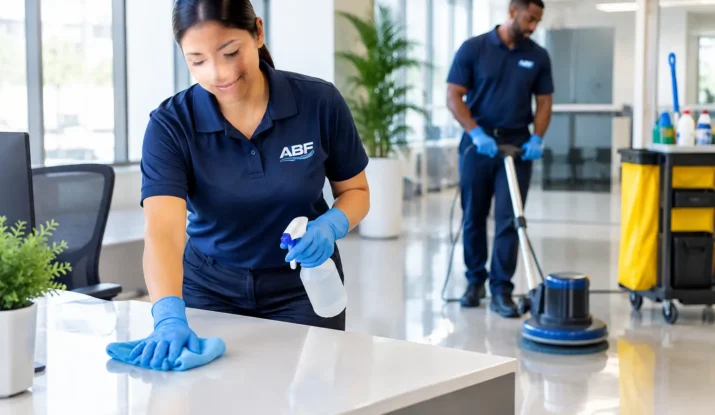
A dirty restroom, a leaking trash bag, or an unlabeled spray bottle can become more than a housekeeping issue. OSHA cleaning requirements affect how commercial facilities protect employees, contractors, and cleaning teams from chemical exposure, slips, contaminated materials, and preventable illness. For facility managers, the goal is not simply to make a space look clean. It is to establish cleaning procedures that are safe, documented, and consistently followed.
OSHA does not publish one universal cleaning checklist for every office, restaurant, warehouse, school, or industrial site. The applicable rules depend on the work being performed, the chemicals used, the potential for exposure to blood or other potentially infectious materials, and the conditions in the building. A practical compliance program starts by identifying those risks instead of applying the same routine to every area.
What OSHA Cleaning Requirements Actually Cover
Most commercial cleaning responsibilities fall under OSHA’s general industry standards. These standards address workplace sanitation, hazard communication, personal protective equipment, walking-working surfaces, and, where applicable, bloodborne pathogens. A facility may also have state, local, industry-specific, or customer requirements that go beyond OSHA.
The important distinction is that OSHA focuses on employee safety. A polished floor is not compliant if it creates a slip hazard. A disinfectant program is not adequate if staff do not know how to use the product safely. And a cleaning closet is not properly managed if chemicals are transferred into unlabeled bottles or safety data sheets cannot be accessed.
For building owners and operations leaders, this means cleaning expectations should be written around tasks, risks, and responsibilities. A recurring janitorial scope should identify which areas are cleaned, how often they are serviced, what products and equipment are used, and what happens when spills, contamination, or supply shortages are discovered.
Sanitation and Housekeeping Standards
OSHA’s sanitation requirements under 29 CFR 1910.141 address basic workplace conditions, including clean and sanitary facilities, potable water, toilet facilities, and waste disposal. The standard does not tell every employer how many times per day to mop a lobby or disinfect a breakroom table. It does require conditions that are sanitary and that do not expose workers to unnecessary hazards.
In practice, facilities should maintain restrooms so they are usable, stocked, and cleaned often enough to prevent unsanitary conditions. Waste should be removed before it overflows, leaks, attracts pests, or obstructs work areas. Breakrooms, locker rooms, and shared touchpoints need a routine that reflects their traffic level and the type of work performed nearby.
Cleaning frequency should change when conditions change. A lightly used professional office may need a different restroom and trash schedule than a busy warehouse, healthcare waiting room, food-service operation, or school. The strongest programs build in inspection points so a manager or cleaning lead can increase service when occupancy, weather, events, or operational activity create added demand.
Keep Aisles, Exits, and Floors Safe
Poor housekeeping is a common contributor to slips, trips, falls, fire risks, and blocked emergency access. Floors should be kept as clean and dry as feasible, with spills addressed promptly. During mopping, stripping, pressure washing, or carpet extraction, crews should use visible wet-floor signs and control access until surfaces are safe to walk on.
Storage matters as much as cleaning. Boxes, waste, equipment, cords, and supplies should not block aisles, stairways, electrical panels, or exits. In industrial environments, dust, debris, oils, and production residue may require specialized cleaning methods and equipment. Treating these areas like a standard office can leave hazards behind or create new ones.
Hazard Communication Is Central to Cleaning Compliance
Cleaning chemicals can cause skin irritation, eye injuries, respiratory problems, or dangerous reactions when used incorrectly. OSHA’s Hazard Communication Standard requires employers to communicate chemical hazards to employees who may be exposed. For cleaning operations, that begins with an accurate inventory of products on site.
Every hazardous product should have a corresponding safety data sheet, commonly called an SDS, available to employees during their work shift. Original containers must remain properly labeled. If a chemical is poured into a secondary container for later use, that container generally needs an appropriate workplace label identifying the product and its hazards. The limited exception for immediate use does not justify leaving routine spray bottles unidentified.
Training should be practical, not a binder that staff sign once and never revisit. Cleaning teams need to understand the product’s intended use, dilution instructions, required PPE, ventilation needs, first-aid information, and incompatibilities. For example, mixing bleach with certain other products can release hazardous gases. Color-coded bottles, clearly marked dilution stations, and organized chemical storage reduce the likelihood of these mistakes.
Select Products and PPE for the Task
The correct glove, eyewear, apron, or face protection depends on the chemical and the exposure risk. Disposable gloves used for routine restroom cleaning may not provide adequate protection for concentrated degreasers, corrosive products, or a blood cleanup. Product SDSs and task assessments should guide PPE selection.
PPE also needs to be available, maintained, and used correctly. Gloves are not a substitute for handwashing, and they should be changed when contaminated or damaged. Supervisors should watch for common shortcuts, such as carrying contaminated gloves from a restroom to a supply closet or using a stronger product than necessary because it seems faster.
ABF Facility Services uses trained teams, color-coded cleaning systems, and task-appropriate tools to help separate work zones and support consistent cleaning practices. The details matter because cross-contamination often happens through the cloth, mop, glove, or bottle that moves from one area to another.
Bloodborne Pathogens: Plan Before an Incident
Blood, vomit, and other potentially infectious materials require more than a general-purpose cleaner and a quick response. If employees have reasonably anticipated occupational exposure to blood or other potentially infectious materials, OSHA’s Bloodborne Pathogens Standard may apply. Employers in that situation need an exposure control plan and must provide required training, protective equipment, and follow-up procedures.
A facility should have a clear incident process even if exposures are uncommon. Staff need to know who to notify, how to isolate the area, what cleanup materials are available, and when a trained response is necessary. Cleanup supplies may include appropriate gloves, protective eyewear, absorbent material, approved disinfectant, disposal bags, and hand hygiene supplies.
The exact response depends on the setting and the nature of the incident. Healthcare environments, schools, hospitality properties, and public-facing businesses may encounter these events more often than a low-traffic office. Do not assign cleanup to an untrained employee simply because the task appears small. Exposure risk, product contact time, disposal requirements, and post-exposure steps all need to be considered.
Build Cleaning Procedures That Hold Up in Daily Operations
Compliance is easier to maintain when it is built into the service plan instead of handled after a complaint, inspection, or injury. Start with a facility walk-through that identifies restroom traffic, food areas, floor types, chemical storage, waste streams, high-touch surfaces, production hazards, and any locations where employees may encounter contaminated materials.
Then document practical procedures. A useful cleaning plan identifies the task, frequency, responsible person, approved products, PPE, safety controls, and inspection method. It should also explain how employees report spills, damaged equipment, empty dispensers, pest activity, blocked exits, or missing SDSs.
For recurring services, quality checks make the plan real. A supervisor can inspect restrooms for supplies and sanitation, review floors for slip hazards, confirm that chemicals are stored correctly, and verify that waste removal keeps pace with occupancy. Digital logs or simple shift checklists can provide accountability, especially in multi-tenant buildings or facilities with changing schedules.
Training needs reinforcement when products, equipment, procedures, or hazards change. New hires should receive instruction before they perform assigned tasks, while experienced staff benefit from short refreshers focused on actual conditions observed in the facility. Documenting training, inspections, and corrective actions helps demonstrate that safety is actively managed.
When a Standard Cleaning Program Is Not Enough
Routine janitorial work may not be sufficient for construction dust, heavy grease, industrial residue, floodwater, post-incident cleanup, mold concerns, pest activity, or large-volume waste removal. These situations can involve different PPE, equipment, containment methods, disposal rules, or expertise.
The right response is not always the most aggressive chemical or the fastest available crew. It depends on the material, the affected area, who may be exposed, and whether the work could disrupt building operations. A qualified facility-services partner can help separate routine maintenance from specialty work and schedule both without losing sight of safety controls.
A clean facility supports a better employee and visitor experience, but safe cleaning practices protect the people doing the work as well. Review your current program with the same care you would give any other operational safety process: look at the risks, verify the procedures, and correct the small gaps before they become costly problems.