
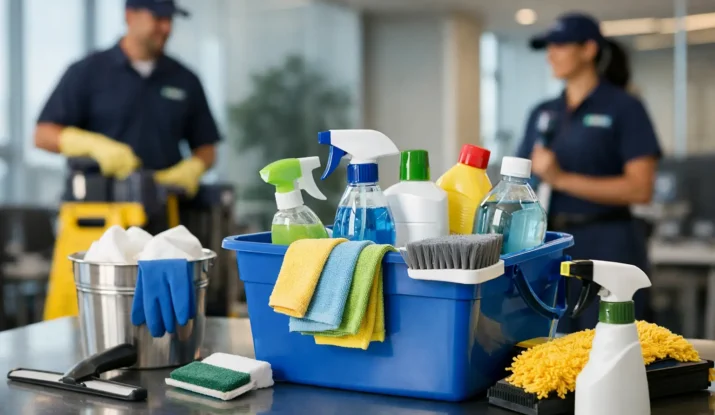
A restroom can look clean at 8:00 a.m. and become a source of complaints by noon if soap, paper products, liners, or disinfectant run out. The same is true for entryways with wet floors, break rooms with overflowing trash, and work areas where employees cannot find the tools they need. Commercial cleaning supplies are not a background expense. They are a practical part of keeping a facility safe, presentable, and ready for employees, customers, patients, students, and tenants.
For facility managers and operators, the goal is not to buy the largest quantity of products at the lowest unit price. It is to maintain the right products, in the right locations, at the right time, without creating unnecessary waste, storage issues, or last-minute purchasing problems.
Start With the Facility’s Real Cleaning Demands
Supply needs should follow how a building is used. An office with 50 employees has different requirements than a medical office, restaurant, warehouse, school, retail store, or multi-tenant property. Foot traffic, operating hours, restroom usage, food preparation, weather exposure, and the types of surfaces in the building all affect what should be stocked.
Chicago-area facilities also contend with a practical seasonal challenge: winter weather. Salt, slush, and moisture can quickly damage floor finishes, stain carpet, and create slip hazards. Entry mats, wet-floor signage, floor-safe cleaners, and dependable mop systems become especially important when conditions change outside.
Before ordering, identify the areas that create the most recurring demand. In many facilities, these include restrooms, entrances, break rooms, high-touch points, trash stations, and hard-floor areas. A supply plan built around actual use is more reliable than a generic closet full of products that do not match the job.
Commercial Cleaning Supplies for Core Areas
A well-stocked facility does not need every product available. It needs a focused set of supplies that support daily service, scheduled deep cleaning, and quick response when an issue arises.
Restrooms Require Consistency, Not Guesswork
Restroom conditions strongly influence how visitors judge an entire property. Supplies should cover both cleaning performance and guest comfort: hand soap, toilet tissue, paper towels or hand-drying systems, feminine hygiene receptacles where appropriate, trash liners, bowl cleaners, disinfectants, and odor-control products.
Dispensers matter as much as the products inside them. A high-capacity dispenser may reduce refill frequency in a busy facility, while a smaller controlled-dispensing option may help limit waste in lower-traffic spaces. The right choice depends on usage patterns, not just product cost.
Keep backup inventory close enough for fast replenishment, but do not crowd janitorial closets with loose cases and mismatched products. Organized storage makes it easier for staff to see what is low before a shortage becomes visible to building occupants.
Floors Need Surface-Specific Care
Floors represent a major investment, and the wrong cleaner can shorten their useful life. Neutral cleaners may be appropriate for many finished hard surfaces, while degreasers are often necessary in commercial kitchens, loading areas, and industrial environments. Carpet spotters, extraction chemicals, and safe stain-removal products should be selected based on the carpet type and the soil conditions the facility sees most often.
Tools also affect results. Microfiber mops and pads can improve soil pickup while using less water and chemical solution than traditional methods. Color-coded systems help prevent a restroom mop or cloth from being used in a break room or office area. High-filtration vacuums can help capture fine dust and allergens rather than pushing them back into the air.
A low-priced product is not always the economical choice. A harsh chemical that dulls a floor finish, leaves residue, or requires repeated rinsing can cost more in labor and restoration work than a properly selected commercial-grade alternative.
General Cleaning Supplies Should Support Safer Work
For desks, counters, door handles, shared equipment, and other touchpoints, teams need products that are effective, properly labeled, and used according to their directions. Cleaning and disinfecting are not interchangeable. Cleaning removes soil and debris; disinfecting is designed to address specified microorganisms when applied correctly and allowed to remain wet for the required contact time.
Facilities should provide trained staff with the materials needed to work safely, including gloves, spray bottles with clear labels, microfiber cloths, caution signs, dilution-control tools, and personal protective equipment suited to the task. Never transfer chemicals into unmarked containers. Clear labeling protects employees, prevents misuse, and supports OSHA-compliant workplace practices.
Balance Inventory Levels With Storage Space
Running out of toilet tissue on a Friday afternoon is disruptive. Overordering six months of inventory can be just as inefficient when storage is limited or products are changed before the stock is used. The right inventory level depends on delivery schedules, usage trends, available storage, and the reliability of the supply partner.
Set minimum reorder points for high-use items. This means identifying the amount of each essential product that should trigger a reorder before the facility reaches a critical shortage. For example, a large office building may set a higher reserve for paper towels and trash liners than a small professional office. A restaurant may prioritize gloves, sanitizer, degreaser, hand soap, and linen availability.
Usage should be reviewed after occupancy changes, events, seasonal shifts, or changes in building operations. If a property adds staff, welcomes a new tenant, extends hours, or experiences heavier visitor traffic, prior ordering patterns may no longer be accurate.
Look Beyond the Price Per Case
Procurement decisions often focus on case price, but total operating cost tells a more useful story. Consider how long the product lasts, how much labor it requires, whether it works with existing dispensers and equipment, and whether it creates avoidable waste.
Concentrated chemicals, for example, can reduce packaging and storage needs when dilution is controlled correctly. However, they may not be the right fit for every site. A small facility without trained cleaning staff or proper dilution equipment may be better served by ready-to-use products. The safest, most efficient option depends on the team, application, and facility setup.
Sustainable purchasing should be practical rather than performative. Green Seal-certified products and other environmentally preferable options can support a healthier facility program, but they must still perform reliably on the surfaces and soils involved. A product that requires excessive reapplication is not a good operational choice simply because it carries a preferred label.
Consolidate Supplies and Service Where It Makes Sense
Coordinating separate vendors for cleaning labor, restroom supplies, floor mats, reusable towels, mops, gloves, restaurant linens, and waste removal can create avoidable administrative work. It can also make accountability unclear when a restroom is unclean, a dispenser is empty, or a floor is not properly maintained.
A single-provider approach can simplify communication and help align supply replenishment with the actual cleaning schedule. When the team servicing the building understands its traffic patterns, inventory needs, and trouble spots, it is easier to address issues before they affect tenants or customers.
ABF Facility Services helps Chicagoland businesses combine recurring cleaning, specialty care, consumable supplies, and rental programs under one accountable relationship. That approach is especially valuable for properties that need consistent execution without managing multiple schedules, invoices, and points of contact.
Create a Supply Program That Can Be Checked
The best supply program is one that a facility manager can verify. Keep a simple record of essential items, storage locations, reorder points, delivery timing, and the person responsible for reporting low stock. Cleaning teams should also have a clear process for flagging damaged dispensers, leaking containers, missing safety labels, or products that are not performing as expected.
Periodic inspections are useful because supply failures are often visible before they become emergencies. An empty towel dispenser, worn entry mat, or depleted glove station can be corrected quickly when someone is responsible for checking it.
Clean, well-supplied facilities send a clear message: operations are organized, people are respected, and details are managed. Start with the products your building uses every day, measure what is actually consumed, and build a replenishment plan your team can depend on.