
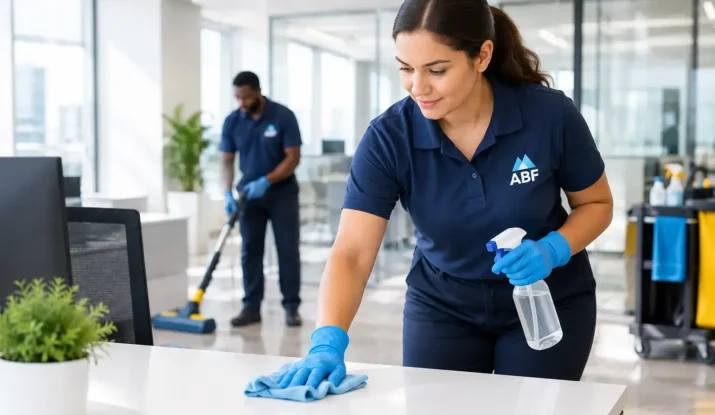
A restroom without soap, a break room with yesterday’s spills, and fingerprints across a glass entry door send a clear message before anyone says a word. Office hygiene is not limited to making a workplace look tidy. It is the daily system that helps protect employees, supports visitors’ confidence, reduces avoidable distractions, and keeps a facility prepared for the demands of normal business.
For office managers, property managers, and operations leaders, the challenge is consistency. A workspace may receive regular cleaning and still have gaps in restroom supplies, high-touch disinfection, waste removal, or floor care. The strongest hygiene programs account for how people actually use the building, then assign clear standards, schedules, and accountability to every area.
Why Office Hygiene Affects More Than Appearance
A clean office makes a measurable difference in how people experience a workplace. Employees are more likely to feel respected when restrooms are stocked, shared spaces are maintained, and their work environment is visibly cared for. Visitors, clients, tenants, and prospective hires notice the same details. Dirty entryways, overflowing trash, or stained carpeting can weaken an otherwise professional impression.
Hygiene also supports day-to-day operations. Shared keyboards, conference tables, elevator buttons, door handles, appliance controls, and restroom fixtures can collect soils and germs quickly in active facilities. Regular cleaning of these surfaces helps reduce the buildup that makes a workplace feel neglected and can contribute to illness spreading through shared spaces.
The right level of service depends on the building. A small professional office may need focused nightly cleaning and weekly detail work. A multi-tenant property, medical office, call center, school, or customer-facing business may require more frequent restroom attention, daytime porter service, or targeted disinfection. The goal is not to over-service the facility. It is to match cleaning resources to real traffic, risk, and presentation needs.
Build an Office Hygiene Plan Around Real Use
A reliable plan starts with a walkthrough, not a generic checklist. Look at traffic patterns, operating hours, the number of occupants, customer access, food service areas, restroom volume, floor types, and waste requirements. This makes it easier to identify where hygiene problems are most likely to develop between cleaning visits.
Set Standards by Area
Each part of the office should have a practical definition of clean. In a lobby, that may mean clear glass, debris-free entry mats, clean floors, and empty waste bins. In restrooms, it means disinfected fixtures, dry floors, odor control, filled soap dispensers, and available paper products. In a break room, it includes wiped tables and counters, clean sinks, emptied trash, and attention to microwave handles, refrigerator pulls, and other shared touchpoints.
Workstations need a more tailored approach. Cleaning teams can remove trash, vacuum surrounding areas, and clean common surfaces without disrupting private materials or sensitive equipment. Employees should also understand which items they are responsible for maintaining, particularly personal desks, keyboards, and phones. Clear boundaries prevent confusion while keeping shared areas consistently presentable.
Give High-Touch Surfaces Extra Attention
High-touch cleaning should be built into the daily routine, especially during cold and flu season or when illness concerns arise in the workplace. The most frequently used surfaces are often the easiest to miss because they do not always look dirty.
Common priority points include door handles, light switches, elevator controls, handrails, reception counters, shared printers, conference room controls, appliance handles, faucet handles, and restroom flush levers. A trained team should use the correct product and dwell time for the surface being treated. Simply spraying and immediately wiping a disinfectant may not provide the intended result.
Color-coded cloth systems and microfiber tools help prevent cross-contamination between areas such as restrooms, break rooms, and general office spaces. High-filtration vacuums can also support better indoor conditions by capturing fine dust and debris rather than circulating it back into the air.
Keep Restrooms Supplied and Inspected
Restrooms are one of the fastest ways a facility can lose credibility. A clean restroom that runs out of soap or paper towels halfway through the day is not meeting the standard employees and visitors expect. Supply management is therefore part of office hygiene, not a separate administrative task.
Track usage patterns and establish restocking levels for hand soap, toilet tissue, paper towels, hand sanitizer, feminine hygiene products where provided, liners, and air care supplies. High-traffic facilities may benefit from daytime checks that address supplies, trash, floor conditions, and fixtures before complaints occur.
Recurring consumables service can reduce the burden on office staff by tying replenishment to actual facility needs. It also creates a clearer line of accountability when supplies are depleted or dispensers require attention.
Protect Floors, Carpets, and Entryways
Floors carry the visible effects of weather, foot traffic, spills, and daily wear. In Chicagoland, rain, snow, road salt, and slush can make entryways especially difficult to maintain for much of the year. Without a plan, dirt travels from the front door to hallways, work areas, and elevators.
Entry mats should be sized appropriately, cleaned regularly, and replaced or serviced before they lose their ability to capture moisture and soil. Hard floors require scheduled mopping as well as periodic machine scrubbing, stripping, waxing, or refinishing depending on the material and traffic level. Carpet needs routine vacuuming along with spot response and periodic extraction to address embedded soil, stains, and odors.
There is a trade-off to consider. Aggressive cleaning methods or poorly selected chemicals can damage floor finishes, carpet fibers, and sensitive surfaces. A facility service provider should evaluate the material first and use equipment and products suited to its condition. Preventive care is generally less disruptive and less costly than waiting until floors need major restoration.
Make Waste Removal Part of the Routine
Overflowing bins create odors, attract pests, and quickly make a clean office appear unmanaged. Waste schedules should reflect actual volume, not assumptions made when the office had fewer employees or different operating hours. Break rooms, shipping areas, restrooms, reception spaces, and conference rooms often need different collection frequencies.
Special situations require a responsive plan. Office moves, tenant turnover, storage cleanouts, seasonal events, and renovation work can create more waste than a normal janitorial schedule can handle. Having one accountable provider for recurring cleaning, supplies, and scheduled trash or junk removal can reduce the scramble of coordinating several vendors when needs change.
Create Accountability Without Micromanaging
The best office hygiene programs are visible, documented, and easy to manage. Cleaning specifications should state what is cleaned, how often it is cleaned, and which areas require special attention. Supervisory inspections and responsive communication matter because no written scope can anticipate every spill, event, or operational change.
Facility leaders should watch for patterns rather than judging service on one isolated issue. Repeated odors, empty dispensers, dusty ledges, missed waste, stained floors, or recurring tenant complaints indicate that the cleaning plan needs adjustment. Sometimes the answer is more frequent service. In other cases, it is better training, a revised supply program, or a change in the timing of service.
A qualified commercial cleaning partner brings trained, uniformed, insured, OSHA-compliant teams and the right equipment for the work. ABF Facility Services helps Chicago-area workplaces coordinate janitorial cleaning, sanitation, floor care, consumables, and specialty services through one dependable point of contact.
When It Is Time to Reassess Your Program
An office hygiene plan should change as the facility changes. Increased occupancy, new tenants, expanded hours, seasonal weather, construction activity, or a shift toward more client visits can all affect cleaning needs. Do not wait for a health concern or a major complaint to review the scope.
Walk the facility at different times of day. Check the restroom at peak use, inspect the entryway after wet weather, and look at shared spaces shortly before cleaning begins. Those observations reveal whether the current program is protecting the workplace or merely maintaining appearances after hours.
A well-maintained office gives people one less thing to worry about. When cleaning, supplies, and response are handled with care, your team can focus on the work that brings them through the door.