
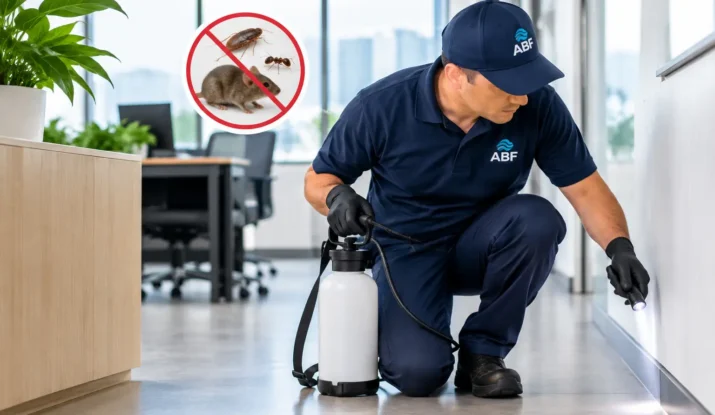
A single cockroach near a breakroom sink, fruit flies around a bar drain, or rodent droppings in a receiving area can quickly become more than a housekeeping concern. For facility managers, the choice between pest prevention versus extermination affects sanitation, employee confidence, customer impressions, regulatory exposure, and the amount of disruption the property must absorb.
The best approach is rarely one or the other. Prevention keeps conditions from inviting pests in the first place. Extermination addresses an active pest population that has already established itself. A well-managed commercial facility needs both, applied at the right time and coordinated with cleaning, waste management, building maintenance, and supply practices.
Pest Prevention Versus Extermination: The Core Difference
Pest prevention is the ongoing work of making a facility less attractive and less accessible to insects and rodents. It focuses on the conditions pests need to survive: food, water, shelter, and entry points. In a commercial setting, that can mean improving trash handling, cleaning food-contact and breakroom areas thoroughly, sealing gaps around doors and utility lines, managing moisture, and keeping storage areas orderly.
Extermination is the targeted response to a current infestation. Depending on the pest and setting, this may include inspections, monitoring devices, baiting, trapping, treatment of affected areas, and follow-up visits. The goal is to eliminate or significantly reduce the existing pest population while identifying the source that allowed it to develop.
The distinction matters because extermination alone can become an expensive cycle. If overflowing dumpsters, damp floor drains, unsealed loading doors, or food debris remain, pests may return after treatment. On the other hand, prevention alone is not enough when there is clear evidence of an active infestation. Waiting too long can allow a manageable issue to spread into wall voids, storage rooms, tenant spaces, or food-service areas.
Why Commercial Facilities Need a Proactive Plan
Pests do not operate on a convenient schedule. They may enter through a loading dock after a shipment, find water beneath a leaking sink overnight, or move through shared utility pathways in a multi-tenant building. Chicago’s seasonal weather can also drive rodents indoors during colder months, while warm and humid conditions can increase insect activity around waste, drains, and exterior landscaping.
For offices, a pest issue can undermine a clean, professional workplace and lead to employee complaints. In restaurants, health care facilities, schools, hospitality settings, and food-related operations, the consequences can be more immediate. Pest activity may affect sanitation procedures, inspections, inventory, customer trust, and day-to-day operations.
Industrial properties face their own risks. Warehouses and manufacturing facilities often have large receiving doors, high-volume shipments, pallet storage, equipment voids, and exterior waste areas. Those conditions require consistent inspection and housekeeping rather than a one-time response.
A proactive program helps facility leaders move from reacting to sightings to managing risk. It also creates clearer accountability. When pest control, cleaning, waste removal, and maintenance are handled as disconnected tasks, the underlying conditions can be missed. Coordinated facility services make it easier to address the full picture.
What Effective Pest Prevention Looks Like
Prevention is practical, routine, and highly dependent on the type of facility. It is not simply spraying less often. The strongest prevention plans reduce access and remove the conditions that allow pests to thrive.
Cleanliness and food-source control
Crumbs under vending equipment, residue around beverage stations, grease near kitchen equipment, and poorly maintained trash areas can all attract pests. Consistent janitorial service should address more than visible surfaces. It should include detailed attention to breakrooms, drains, baseboards, waste receptacles, floor edges, and hard-to-reach areas where food particles collect.
Trash practices are equally important. Interior receptacles need regular emptying, liners should be intact, and outdoor dumpsters should be kept closed and reasonably clean. Cardboard should not accumulate unnecessarily in back rooms, as it can provide shelter for insects and rodents.
Moisture management
Many pests are drawn to water sources. Leaks under sinks, condensation around refrigeration units, standing water near floor drains, and damp mop storage areas can support pest activity even when a facility appears clean.
Cleaning teams can help identify recurring moisture concerns, but repairs may require prompt attention from maintenance personnel. Floor drains should be cleaned appropriately and kept functional. In restrooms, kitchens, utility areas, and mechanical rooms, regular inspections help catch conditions before they become a larger problem.
Exclusion and facility upkeep
Pests often enter through small gaps that are easy to overlook during a busy workday. Door sweeps, weather stripping, screens, dock seals, pipe penetrations, and cracks near foundations all deserve attention. Rodents can fit through surprisingly small openings, and insects can enter through gaps around windows, conduits, and utility lines.
A prevention plan should also consider exterior conditions. Overgrown vegetation against a building, clutter near entrances, standing water, and unmanaged waste areas can create easy pathways toward the facility. Keeping exterior zones clean and maintained supports the work happening indoors.
Monitoring and documentation
Routine monitoring makes prevention measurable. Staff should know how to report sightings, droppings, gnaw marks, damaged packaging, unusual odors, or insect activity. A written record of where and when activity occurs helps identify patterns, such as repeat sightings near a particular loading dock or floor drain.
This documentation allows a pest professional to target inspections and treatments more effectively. It also helps property managers demonstrate that concerns were addressed promptly and consistently.
When Extermination Is the Right Response
Extermination becomes necessary when there is evidence that pests are already living, nesting, or reproducing on the property. A single sighting does not always confirm an infestation, but repeated sightings or physical evidence should not be ignored.
Common signs include droppings, gnawed materials, grease marks along walls, insect casings, nests, damaged food packaging, or pests seen during daytime hours. Daytime cockroach activity, for example, can indicate a larger population because these pests typically avoid open activity when conditions are quiet.
The correct treatment depends on the pest, the facility type, the severity of activity, and the people using the space. A restaurant kitchen, school, medical office, warehouse, and corporate office may require different treatment schedules and precautions. Professional pest control providers should evaluate the environment, choose appropriate methods, communicate any preparation requirements, and schedule follow-up service to confirm results.
For active infestations, speed matters. Delayed action can increase treatment scope and cost while creating avoidable disruptions. However, fast action should still be thoughtful. Broad, untargeted treatment without inspection or sanitation corrections may not resolve the problem for long.
The Best Commercial Strategy Is Integrated Pest Management
Integrated pest management, often called IPM, combines prevention, monitoring, exclusion, sanitation, and targeted treatment. It is a practical approach for organizations that want dependable results without relying on a single tactic.
Under an IPM approach, extermination is used when evidence supports it, but it is not treated as the entire solution. The service team looks for contributing conditions and works with facility staff to correct them. If flies are concentrated near drains, drain cleaning and moisture control become part of the response. If rodents are entering around a dock door, traps and treatment may be paired with repairs to seals and door sweeps.
This approach is particularly valuable for busy commercial properties because it supports continuity. Instead of waiting for a complaint or failed inspection, managers can establish recurring inspections, documented service, clear reporting procedures, and coordinated cleaning standards.
How to Decide What Your Facility Needs
The right decision begins with an honest assessment of current conditions. If there are no signs of activity but the facility has recurring food waste, open entry points, poor drain maintenance, or inconsistent cleaning, prevention should be the immediate priority. Correcting those gaps can reduce the likelihood of an infestation before treatment is needed.
If pests are being seen repeatedly, employees or tenants are reporting concerns, or there is physical evidence in storage, food-service, restroom, or receiving areas, request a professional inspection promptly. Do not assume that extra cleaning alone will eliminate an established population. Cleaning is essential, but it works best alongside a targeted treatment and exclusion plan.
Facility leaders should also consider the operational cost of the problem. A modest investment in scheduled pest prevention may protect much larger investments in inventory, tenant retention, customer experience, regulatory compliance, and building reputation. For multi-site organizations, consistent standards and reporting are especially useful for keeping each location accountable.
ABF Facility Services helps Chicagoland businesses coordinate pest control with janitorial service, sanitation, waste-related cleaning, and the facility details that influence pest activity. A single accountable partner can reduce vendor handoffs and make recurring concerns easier to identify and resolve.
A clean, well-maintained facility sends a clear message to employees, tenants, and visitors. Put prevention in place before pests find an opening, and respond decisively when the evidence shows treatment is needed.