
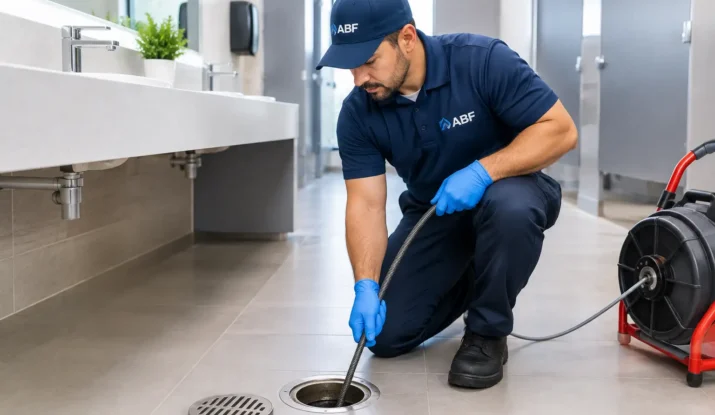
A restroom can look freshly cleaned, fully stocked, and well maintained, yet one unpleasant odor near a floor drain or sink can change how employees, tenants, patients, and guests perceive the entire facility. Understanding why restroom drains smell is the first step toward correcting the source instead of repeatedly masking it with fragrance. In commercial buildings, drain odor is usually a maintenance issue with a clear cause, but the right fix depends on the type of drain, how often it is used, and the condition of the plumbing system.
Why Restroom Drains Smell in Commercial Facilities
Most drain odors come from one of two places: material building up inside the drain or sewer gas moving back into the room. Both problems deserve attention. A persistent odor can lead to complaints, create an unprofessional impression, and signal sanitation or plumbing conditions that may worsen if they are ignored.
In a busy office, school, restaurant, health care facility, or industrial workplace, restroom drains handle more than water. They collect soap residue, hair, paper fibers, skin oils, debris from shoes, and sometimes urine splash or mop water. Over time, these materials can form a sticky film along the pipe walls. Bacteria feed on that film and release odors that may smell sour, musty, rotten, or similar to sewage.
The odor itself does not always mean a sewer-line failure. However, a clean-looking drain cover does not prove that the drain beneath it is clean. Effective odor control requires attention to the drain body, the trap, surrounding fixtures, cleaning methods, and, when necessary, the plumbing system.
Dry P-Traps Allow Sewer Gas Into the Restroom
The most common reason an infrequently used restroom drain smells is a dry P-trap. The P-trap is the curved section of pipe below a sink or floor drain. It holds water that creates a barrier between the restroom and gases in the sewer system.
When a drain goes unused for weeks, that water can evaporate. This is common in vacant suites, little-used restrooms, seasonal buildings, storage areas, and floor drains located near mechanical rooms. Once the trap is dry, sewer gas can enter the space. The odor may become especially noticeable after a weekend, during dry winter weather, or when the building’s HVAC system changes air pressure.
Adding water to the drain may restore the seal quickly, but it is not always a permanent answer. A trap that dries repeatedly may need a regular replenishment schedule or a trap-seal device installed by a qualified plumbing professional. Facility teams should include seldom-used drains in their routine inspection plan rather than waiting for an odor complaint.
Biofilm and Organic Buildup Create Persistent Odors
A second frequent cause is biofilm. This thin, slippery buildup develops where moisture and organic debris remain inside drain lines. Standard surface cleaning may remove visible dirt around a fixture without removing the source inside the pipe.
Sink drains are often affected by hand soap, lotion, toothpaste, and hair. Floor drains can collect dust, paper fragments, dirt tracked in from outside, and residue pushed toward the drain during improper mopping. In men’s restrooms, buildup around urinals and nearby drains can also contribute to sharp ammonia-like odors.
The solution is not to pour strong chemicals into every drain. Harsh products can damage certain plumbing components, create fumes, and pose a safety concern when mixed with other cleaners. A safer maintenance approach uses the correct drain-cleaning product for the application, mechanical removal when buildup is substantial, and thorough flushing according to product directions. Cleaning staff should never mix chemicals or use a product that is not approved for the facility’s pipes and sanitation procedures.
Clogs and Slow Drains Trap Odor-Causing Material
A slow sink or floor drain gives residue more time to collect. Partial clogs may be caused by paper towels, feminine hygiene products, wipes, excess soap, mineral deposits, hair, or debris that should never have entered the drain. Even when water still moves through, the obstruction can retain decaying material and produce an ongoing smell.
This is where early reporting matters. A drain that gurgles, drains slowly, backs up, or produces odor after cleaning should be inspected before it becomes a disruption. Repeatedly treating the symptom with deodorizer can delay a needed repair and raise the risk of overflow, slip hazards, and restroom downtime.
Venting and Plumbing Problems Can Be the Underlying Cause
If several drains smell at once, or the odor returns immediately after traps are filled and drains are cleaned, the cause may be farther down the system. Plumbing vents allow sewer gases to exit safely and help water flow properly through drain lines. A blocked, damaged, or improperly functioning vent can affect trap seals and cause gurgling or odors.
Other possible issues include cracked pipes, failed seals around a toilet base, damaged drain connections, or a sewer-line blockage. These conditions require a licensed plumbing professional. A janitorial team can identify patterns, keep fixtures clean, and report concerns promptly, but cleaning alone cannot repair a mechanical defect.
How to Identify the Source of a Restroom Drain Odor
Start by narrowing down where and when the smell appears. Is it strongest at a floor drain, a sink, a urinal, or behind a toilet? Does it occur only in one restroom or throughout a floor? Does it worsen after the facility has been closed, after heavy rain, or after floors are mopped? These details help distinguish a dry trap from organic buildup or a larger plumbing issue.
A practical inspection should include the drain cover and visible debris, water flow, the presence of water in floor-drain traps, and the cleanliness of nearby grout, caulk, toilet bases, and urinal areas. Odors often travel, so the location where a smell is noticed may not be the actual source.
For example, a floor drain may be blamed when urine residue around a toilet base is the problem. Conversely, repeatedly scrubbing the floor around a drain will not resolve a dry P-trap. Careful inspection prevents unnecessary labor and helps facility managers direct the right service to the right problem.
Preventing Drain Odors Through Routine Restroom Care
Reliable prevention combines daily restroom cleaning with scheduled drain attention. High-traffic facilities may need more frequent drain maintenance than a small office with limited restroom use. The correct frequency depends on traffic volume, fixture type, business hours, food-service operations nearby, and the age and condition of the plumbing.
Daily restroom service should remove visible debris, clean and disinfect fixtures, address splash zones, and keep floors from being overloaded with dirty mop water. Color-coded tools and microfiber systems help reduce cross-contamination between restroom surfaces and other areas of the facility. Floor drains should be protected from large debris during cleaning, not treated as a disposal point for soil collected from the room.
On a scheduled basis, teams should flush seldom-used drains, inspect drain covers, remove hair and debris, and use facility-approved treatment for organic buildup where needed. Restroom consumables also play a role. Adequate toilet tissue, hand towels, waste receptacles, and sanitary-disposal supplies reduce the chance that unsuitable items end up in drains or toilets.
ABF Facility Services helps Chicagoland facility managers coordinate recurring janitorial care, restroom sanitation, consumable replenishment, and specialty cleaning through one accountable service relationship. Consistent service makes it easier to spot changes in odor, drainage, or fixture condition before they affect occupants and visitors.
When a Drain Odor Needs Immediate Attention
Some odor concerns should be escalated quickly. Contact a qualified plumbing professional when you notice any of the following:
- Sewage odor that persists after the trap has been filled and the drain has been cleaned
- Water backing up from a drain, toilet, or floor drain
- Gurgling sounds from multiple fixtures or several restrooms
- A smell accompanied by visible leakage, damaged flooring, or loose toilet bases
- Repeated odors in the same area despite regular cleaning and drain maintenance
Until the issue is resolved, keep affected areas clean, communicate restroom availability clearly, and prevent staff or guests from using fixtures that are backing up or leaking. Quick action protects the facility’s appearance, reduces avoidable disruption, and supports a safer environment.
A fresh restroom is not created by fragrance alone. It comes from clean fixtures, properly maintained drains, stocked supplies, and timely attention to the systems working below the surface. When drain odors become recurring, treat them as useful maintenance information and address the cause before a minor complaint becomes a larger facility issue.