
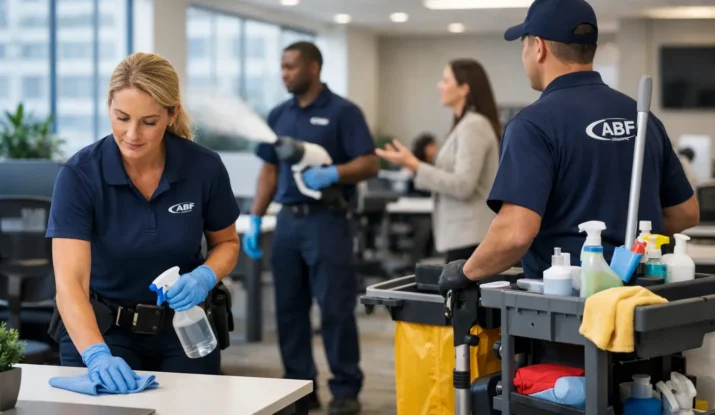
A restroom that runs out of soap at 2 p.m., a lobby floor that looks dull by Friday, or a break room with lingering odors can change how employees, tenants, and customers judge an entire property. Workplace hygiene trends 2026 are moving beyond occasional deep cleaning and toward a more disciplined approach: prevent problems, make standards visible, and keep every essential supply and service coordinated.
For facility managers and operations leaders, this shift is practical. Cleanliness affects employee confidence, tenant satisfaction, customer retention, safety, and the lifespan of floors, carpets, fixtures, and equipment. The strongest hygiene programs will not be the ones with the most complicated checklist. They will be the ones that are consistently performed, easy to monitor, and tailored to how a facility actually operates.
Workplace Hygiene Trends 2026: Prevention Takes Priority
The biggest change is a move from reactive cleaning to preventive facility care. Rather than waiting for complaints, stains, pest activity, overflowing waste, or depleted restroom inventory, businesses are setting service schedules around predictable needs.
That means high-touch points receive regular attention based on traffic patterns. Restrooms are checked and replenished before busy periods. Entrance mats are maintained before they stop trapping dirt and moisture. Floors receive the right daily care before soil becomes embedded and requires costly restoration. In industrial spaces, debris removal and sanitation are planned around production schedules and safety requirements.
Prevention is not the same as cleaning every surface with the same frequency. A quiet administrative office and a high-volume medical waiting area have different risks, occupancy patterns, and appearance standards. The right plan depends on the facility, but the principle remains the same: schedule work to prevent disruption and deterioration rather than responding after the fact.
High-traffic zones get more attention
Entrances, elevator areas, restrooms, lunchrooms, reception desks, shared workstations, and touchpoints such as door handles are receiving more structured care. These locations shape first impressions and carry the greatest amount of daily traffic.
In Chicago winters, entryways deserve particular attention. Salt, slush, and tracked-in grit can quickly damage hard floors and create slip hazards. Frequent mat service, spot cleaning, moisture control, and floor maintenance protect both the property and the people entering it.
Visible Cleanliness Is Part of the Customer Experience
People do not inspect a building with a clipboard, but they notice signals. A clean glass entrance, fresh-smelling restroom, orderly waste area, and properly maintained floor tell visitors that the property is managed with care. The opposite is also true: a dirty restroom or overflowing trash bin can undermine confidence in a restaurant, office, retail location, healthcare setting, or apartment building within minutes.
In 2026, visible cleaning is becoming more intentional. Day porter services, scheduled restroom checks, immediate spill response, and cleanable high-traffic surfaces help facilities maintain standards during operating hours, not only after everyone has left.
There is a trade-off. Highly visible cleaning can be reassuring, but it must not interrupt customers, students, patients, or employees. Professional crews should work discreetly, use appropriate safety signage, and schedule noisier tasks such as vacuuming, pressure washing, or machine floor work for the least disruptive time. A well-run program makes cleanliness noticeable while the cleaning process remains orderly and unobtrusive.
Smarter Supply Management Reduces Everyday Failures
A cleaning program is only as dependable as the supplies behind it. Soap dispensers, paper products, hand sanitizer, liners, gloves, restroom products, floor mats, reusable towels, and mops may seem minor individually. When one is missing, however, the failure is visible and immediate.
More organizations are reducing this risk by coordinating cleaning and consumable replenishment through a single accountable provider. This approach can simplify purchasing, reduce emergency orders, and give facility teams a clearer view of what is being used. It also helps standardize products across multiple restrooms, suites, or locations.
Supply planning should be based on usage, not guesswork. A property manager may need more restroom checks during tenant move-ins. A restaurant may need stronger linen and apron support during peak seasons. A warehouse may use more gloves and cleaning materials during specific production cycles. Reviewing consumption regularly helps prevent both shortages and excessive storage.
Restrooms remain a key measure of facility standards
Restrooms continue to be one of the clearest indicators of how well a property is maintained. Hygiene expectations now extend beyond a visibly clean sink and toilet. Users expect stocked dispensers, dry floors, controlled odors, clean partitions, functioning fixtures, and trash removal that keeps pace with traffic.
This requires routine inspection, not a once-per-shift assumption. Color-coded cleaning systems and microfiber tools help crews avoid cross-contamination between restroom areas and other parts of the facility. High-filtration vacuums support cleaner indoor environments by capturing fine dust and allergens rather than recirculating them.
Sustainable Products Must Also Perform
Environmental responsibility remains a major workplace hygiene trend, but facility decision-makers are asking a more practical question: does the product work reliably in our building? Green Seal-certified products and other environmentally preferable options can support sustainability goals, but they must still meet cleaning, safety, odor-control, and surface-care requirements.
The best choice is rarely a one-product solution for every job. A healthcare facility, commercial kitchen, office tower, school, and industrial site each require different methods and products. Facilities should evaluate products for effectiveness, compatibility with surfaces, worker safety, fragrance sensitivity, packaging, and dilution requirements.
Sustainability also includes extending the life of building assets. Proper carpet extraction, hard-floor care, mat programs, and preventive maintenance can reduce premature replacement. That saves material, limits disruption, and protects capital budgets.
Hygiene Programs Are Becoming More Accountable
Facility leaders increasingly want evidence that scheduled work is being completed and that quality concerns are addressed quickly. This does not require turning every cleaning task into a complex reporting exercise. It does require clear scope, dependable staffing, quality checks, and responsive communication.
A strong service partner should understand which areas need daily attention, which require periodic specialty care, and where small issues can become larger operational problems. For example, an unresolved leak near a restroom can lead to odor, floor damage, and slip risk. Neglected waste areas can attract pests. Skipping routine floor care can shorten the life of expensive surfaces.
Trained, uniformed, insured, and OSHA-compliant teams provide an added layer of confidence, especially in facilities with public traffic, specialized safety rules, or sensitive operations. The goal is not simply to complete tasks. It is to maintain a facility that is safe, stocked, presentable, and ready for the next day of business.
Flexible Service Is Replacing One-Size-Fits-All Contracts
Workplace schedules remain uneven. Some offices have hybrid occupancy. Retail and hospitality properties experience rush periods. Schools operate around academic calendars. Industrial facilities may run multiple shifts or change production volume without much notice.
As a result, the most effective hygiene plans combine recurring janitorial service with scheduled specialty work and responsive support when unexpected needs arise. Recurring service maintains the baseline. Carpet care, hard-floor refinishing, pressure washing, sanitization, pest control, and trash or junk removal address specific conditions that cannot always be handled during routine cleaning.
For Chicagoland property stakeholders, local responsiveness matters when weather, tenant needs, construction activity, or a sudden facility issue changes priorities. ABF Facility Services approaches these needs through one coordinated relationship, helping clients align cleaning, maintenance, sanitation, and supply needs without managing a long list of disconnected vendors.
The practical standard for 2026 is simple: a workplace should look cared for, feel clean, have essential supplies available, and operate without avoidable hygiene disruptions. When cleaning teams, service schedules, and consumable inventory work together, facility managers can spend less time chasing problems and more time protecting the people and property they are responsible for.