
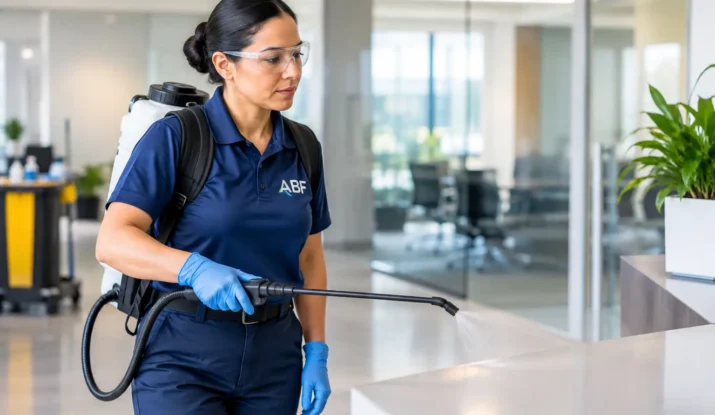
A disinfectant sprayer or UV device can make a strong impression during a walkthrough, but facility leaders need more than a visible signal of cleanliness. The most useful disinfection technology trends improve consistency, protect cleaning teams and building occupants, and provide proof that critical work was completed. For offices, schools, health care settings, restaurants, industrial sites, and multi-tenant properties, the right approach starts with the risks in the space, not the newest piece of equipment.
Why disinfection technology is becoming more targeted
Routine cleaning and disinfection serve different purposes. Cleaning removes visible soil, dust, and organic material from a surface. Disinfection uses an EPA-registered product according to its label directions to reduce germs on hard, nonporous surfaces. When surfaces are not cleaned first, soil can reduce a disinfectant’s effectiveness.
That distinction is shaping purchasing decisions. Many facilities no longer want broad, disruptive treatments performed on a fixed schedule without regard to traffic patterns or actual needs. They want targeted service for high-touch points, restrooms, shared equipment, break rooms, entrances, and areas affected by illness or a known contamination concern.
This shift also reflects practical realities. Disinfecting every surface in a large building at the same intensity can increase labor, chemical use, downtime, and cost without delivering the best result. A well-designed program matches methods to occupancy, surface type, food-safety requirements, ventilation, and the level of risk in each area.
The disinfection technology trends worth watching
Electrostatic spraying for hard-to-reach coverage
Electrostatic sprayers charge droplets so they are attracted to grounded surfaces. When used correctly, the technology can help a trained technician apply disinfectant evenly around irregular objects such as chairs, fixtures, carts, handrails, and equipment.
The key phrase is “used correctly.” Electrostatic application does not eliminate the need to remove dirt and debris first, select an appropriate product, or observe the required contact time. It also is not suitable for every surface or setting. Electronics, food-contact surfaces, sensitive machinery, and occupied rooms may require alternative methods or additional precautions.
For many commercial properties, electrostatic spraying is most valuable as a scheduled enhancement or response tool after a high-traffic event, illness concern, or specialized cleaning need. It should support detailed cleaning, not replace it.
UV-C systems and controlled light disinfection
UV-C light can inactivate certain microorganisms when it reaches a surface or air stream at the correct dose. It is increasingly used in specialized applications, including upper-room air systems, HVAC-related solutions, and enclosed equipment designed to disinfect specific items.
The limitation is line of sight. UV-C cannot effectively disinfect an area hidden by shadows, drawers, clutter, or the underside of furniture. Direct exposure can also be harmful to skin and eyes, which means placement, shielding, access controls, and operator training are essential.
Facilities should view UV-C as a controlled supplemental technology. It can be a practical option in a defined application, but it does not replace hand-cleaning high-touch surfaces, maintaining restrooms, or managing waste and supplies. The best fit depends on how the space is used and whether the system can be operated safely without disrupting occupants.
Autonomous cleaning equipment with accountability data
Robotic floor equipment and automated disinfection devices are gaining attention because they can repeat programmed routes and produce service records. In large, open environments such as warehouses, airports, schools, and health care corridors, this can help teams maintain a more predictable cleaning schedule.
Automation works best on repeatable tasks in relatively clear spaces. It is less effective around clutter, stairs, tight offices, crowded retail aisles, and the many detail tasks that require judgment. A robot cannot determine whether a restroom dispenser is empty, a spill presents a slip hazard, or a touchpoint needs extra attention after heavy use.
The real opportunity is better use of labor. When equipment handles a portion of routine floor care, trained personnel can focus on restroom sanitation, touchpoint disinfection, spot response, quality inspections, and customer-facing details. Reliable results still require a clear process and accountable people.
Digital checklists, sensors, and verification tools
One of the most practical advances is not a machine that sprays or shines a light. It is the ability to document and verify work. Mobile checklists, time-stamped service logs, QR code inspections, occupancy data, and smart restroom monitoring can help facility managers see where service is needed and whether it was completed.
For example, a high-traffic restroom may require more frequent attention than a low-use restroom on the same floor. Monitoring supply levels and service patterns can help prevent empty soap dispensers, paper-product shortages, overflowing trash, and missed cleaning rounds. That improves occupant experience while helping control unnecessary visits.
Verification should remain meaningful. A completed digital checklist is useful only when supervisors inspect results, teams are trained on the expected standard, and problems are corrected quickly. Data supports accountability, but it cannot substitute for quality control.
Better chemistry and more precise dispensing
Disinfection products continue to evolve toward options that balance efficacy, material compatibility, worker safety, odor, and environmental considerations. Facilities are paying closer attention to products that can be used efficiently while supporting their sustainability goals.
No product is right for every facility. A restaurant may have different requirements than an office, while a medical environment may need a more specialized protocol. Dwell time matters as much as the product choice. If a label requires a surface to remain visibly wet for a stated period, wiping it dry too soon can undermine the process.
Closed-loop dilution and dispensing systems are also becoming more common. These systems help teams mix concentrated chemicals at the intended ratio, which can reduce waste, prevent overuse, and improve consistency. Color-coded tools and microfiber systems add another layer of control by reducing the risk of cross-contamination between restrooms, kitchens, offices, and other zones.
How to evaluate new disinfection technology
Before approving a new tool, facility leaders should ask whether it solves a real operational problem. Start with the areas that generate complaints, experience the highest touch frequency, create compliance concerns, or require excessive labor. Then consider whether the technology improves coverage, documentation, response time, safety, or cost over the life of the program.
Training deserves the same attention as the equipment itself. Teams need to understand product labels, personal protective equipment, surface compatibility, equipment maintenance, and when an area must be closed or ventilated. A device that is rarely maintained or used inconsistently will not improve outcomes.
It is also wise to request a pilot program or evaluate a limited area first. A practical trial can show whether a technology fits building traffic, floor plans, operating hours, and staff workflow. Look at results such as inspection scores, supply availability, response times, occupant feedback, and reduced rework rather than relying on marketing claims alone.
Build a program, not a collection of devices
The strongest facility programs combine routine janitorial care, targeted disinfection, supply management, and quality inspections. They identify high-touch and high-risk areas, establish service frequencies, use approved products correctly, and adjust when occupancy or seasonal conditions change.
For Chicagoland facility managers, winter weather adds another consideration. Salt, moisture, and heavy entryway traffic can demand more floor and mat maintenance, while shared indoor spaces may see more frequent touchpoint use. Disinfection planning should work alongside those daily cleaning needs rather than operate as a separate, occasional project.
ABF Facility Services approaches this work as part of a complete facility plan, with trained, uniformed, insured teams, appropriate equipment, and a focus on consistent execution. The goal is not to introduce technology for its own sake. It is to keep each workplace clean, stocked, presentable, and ready for the people who rely on it.
The next useful improvement may be a UV-C system, an electrostatic sprayer, better dilution controls, or simply stronger verification of the cleaning already being performed. Choose the option that gives your facility clearer standards, safer operations, and dependable results every day.