
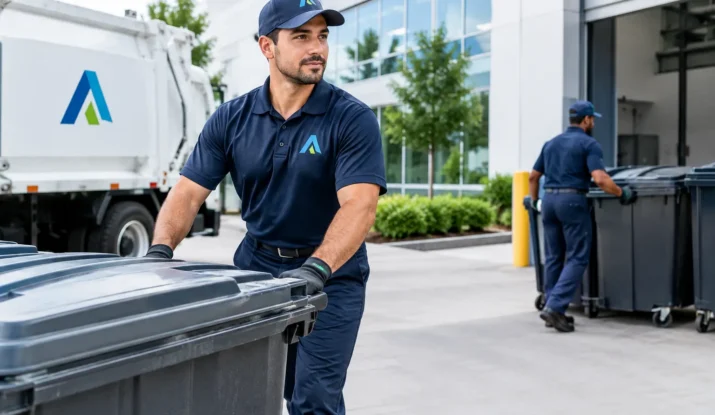
A loading area with overflowing boxes, broken furniture in a vacant suite, or bags of debris left beside a dumpster can quickly become more than an appearance issue. Commercial waste removal protects safety, supports sanitation, preserves usable space, and helps a property stay ready for employees, tenants, customers, inspectors, and deliveries.
For facility managers and property decision-makers, the goal is not simply to get rid of unwanted material. It is to create a dependable process that keeps waste from interrupting operations. That process should account for what is being removed, where it is stored, how quickly it needs to go, and whether the work can be completed without disrupting the people using the building.
Why Waste Removal Is a Facility Management Priority
Waste has a way of becoming visible at the worst possible time. A retail stockroom becomes difficult to access before a shipment arrives. A restaurant back-of-house area loses valuable working space. An office relocation leaves behind furniture, electronics, and supplies that delay turnover. At an industrial site, pallets, packaging, and nonhazardous debris can create trip hazards and obstruct workflow.
When these issues are handled only after they become urgent, the costs are usually higher. Staff may spend time moving material rather than doing their regular work. Access routes can become blocked. Odors, pests, and tenant complaints may follow. In customer-facing environments, accumulated debris can also undermine confidence in the way the property is managed.
A planned removal schedule is often more efficient than relying exclusively on last-minute pickups. That said, emergency and on-demand service still matters. Storm cleanup, tenant move-outs, equipment replacements, and unexpected bulk waste require a responsive partner that can assess the job and act quickly.
What Commercial Waste Removal Can Include
Every property creates a different waste stream. An office building may need periodic removal of desks, chairs, filing cabinets, cardboard, and obsolete equipment. A warehouse may need help clearing packaging, pallets, damaged materials, or accumulated debris from storage areas. Multifamily and commercial properties often require turnover cleanouts, common-area debris removal, or service after renovations.
Common nonhazardous removal needs include:
- Bagged trash and loose debris from commercial spaces
- Cardboard, packaging, pallets, and bulk materials
- Office furniture, fixtures, shelving, and unwanted equipment
- Construction-related debris from light renovation or maintenance work
- Tenant move-out items and property cleanout materials
- Yard waste and exterior debris when property conditions require attention
The details matter. A removal provider should understand what can be safely collected, whether materials need sorting, and whether any items require a specialized disposal method. Electronics, chemicals, batteries, medical waste, and certain regulated materials should never be treated as ordinary trash. Clear communication before service protects the property and helps prevent delays on pickup day.
Trash Removal and Junk Removal Are Not Always the Same
Routine trash removal generally involves regularly generated waste collected on a predictable schedule. Junk removal is usually project-based and focuses on bulky, unwanted, or accumulated materials that standard waste containers cannot reasonably handle.
The distinction affects planning. A facility with daily trash needs may benefit from coordinated janitorial support, liner replacement, and waste-area cleaning. A business preparing for a move, renovation, or storage reset may need a one-time crew, labor for loading, and a more detailed scope of work. Some properties need both, especially during tenant transitions or seasonal cleanups.
Build a Waste Removal Plan Around Your Facility
The best approach starts with a walkthrough, not assumptions. Identify where waste is generated, where it collects, and which areas need to remain clear for safety and operations. A healthcare office, school, restaurant, retail location, and industrial facility may all require different timing, access procedures, and sanitation considerations.
First, determine the frequency of removal. High-volume areas may require recurring service, while furniture disposal or storage-room cleanouts can be scheduled as needed. Next, consider timing. Early morning, evening, or off-hours service may be better for properties with customer traffic, occupied offices, or active production schedules.
Access is equally important. A provider should know where crews can park, which entrance to use, whether elevators are available, and how to protect floors, walls, and occupied areas during removal. If material is located in multiple suites, on upper floors, or behind secured doors, those details should be included before the work begins.
Finally, assign accountability. When waste removal is split among multiple vendors, it can be unclear who is responsible for the overflowing enclosure, debris near the loading dock, or the cleanup needed after a removal job. Working with one accountable facility-services provider can reduce those gaps and simplify communication.
Keep Waste Areas Clean, Safe, and Pest-Resistant
Removing material is only one part of the job. Waste enclosures, dumpster pads, loading docks, and collection rooms need ongoing attention to prevent lingering odors, spills, and pest activity. These areas are often out of sight, but they are not outside the standards of a well-managed property.
Regular cleaning around waste storage areas helps remove food residue, loose trash, liquids, and windblown debris. For restaurants, healthcare facilities, multifamily properties, and high-traffic commercial sites, this work can support broader sanitation and pest-control efforts. Pressure washing may be appropriate when grease, grime, or residue has built up on exterior concrete surfaces.
A clean waste area also makes daily operations easier. Employees can move carts safely, collection providers can access containers without obstruction, and property teams can spot problems before they grow. If a dumpster is regularly overfilled, the answer may be a different pickup frequency, better internal collection practices, or more suitable container capacity. It depends on the volume and type of waste your facility produces.
Choose a Provider Based on More Than Hauling Capacity
Price matters, but commercial waste removal is not a service where the lowest quote always delivers the best value. A provider should be able to explain the scope clearly, arrive as scheduled, protect your property during removal, and communicate if conditions change.
Look for trained, uniformed, insured crews that understand commercial sites and follow appropriate safety practices. OSHA-compliant work procedures are particularly important when teams are moving heavy furniture, navigating loading docks, working around equipment, or handling debris in active facilities. Reliable providers should also be prepared to coordinate with building management, security, tenants, or site contacts.
It is helpful to ask how the provider handles sorting and disposal, what materials are excluded, and whether final cleanup is included. A removal job should leave the area usable, not simply move the mess from one corner of the property to another. For many facilities, combining removal with janitorial service, floor care, pressure washing, consumable supply, or pest control creates a more practical solution than coordinating separate vendors.
When to Schedule Waste Removal
Do not wait for a waste problem to become visible to customers or create a safety concern. Schedule service before a major move, renovation, inventory reset, tenant turnover, seasonal rush, or inspection. Property managers should also consider removal after severe weather, large events, or equipment replacements that leave bulky packaging and discarded materials behind.
Recurring reviews are useful for facilities with limited storage, frequent deliveries, or high employee traffic. A quick monthly assessment of loading areas, storage rooms, dumpster enclosures, and vacant spaces can identify buildup early. This approach gives decision-makers time to schedule removal on their terms rather than paying for an urgent response.
For Chicago-area businesses, a responsive facility partner can make waste removal easier to manage alongside the rest of the property. ABF Facility Services provides tailored trash and junk removal support as part of a broader approach to keeping commercial spaces clean, stocked, safe, and ready for business.
A clear waste removal plan does more than clear clutter. It gives your team room to work, helps protect the impression your property makes, and keeps small operational issues from becoming larger disruptions.