
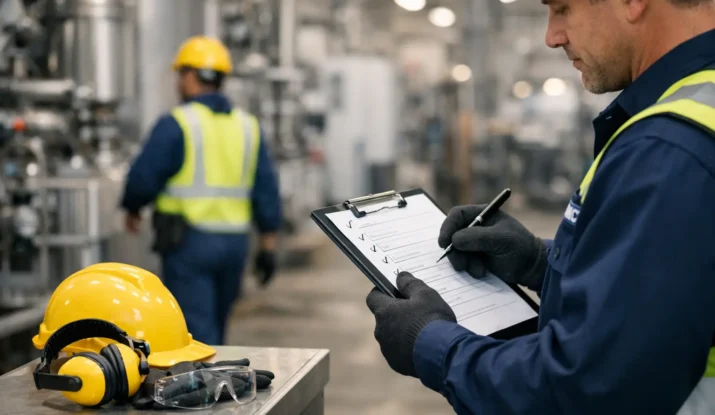
A missed spill beside a loading dock, an empty eyewash station, or a restroom without soap can become more than a minor inconvenience before the next shift ends. A practical industrial facility checklist gives operations leaders a repeatable way to catch those details early, protect employees, and keep the building ready for production, inspections, deliveries, and visitors.
The best checklist is not a generic form completed at the end of the week. It reflects how your facility operates, where risk tends to develop, and which conditions require immediate action. A warehouse with active forklift traffic needs different checkpoints than a food-processing area, manufacturing plant, distribution center, or maintenance shop. The goal is consistent execution without adding unnecessary paperwork to an already busy operation.
Start With Safety-Critical Areas
Safety should lead every facility walk-through because the most serious issues are often the easiest to overlook during a busy shift. Assign clear ownership for inspections, establish an escalation process, and document corrective action rather than simply marking a box complete.
Walk primary routes, including entrances, aisles, stairwells, docks, break areas, and emergency exits. Floors should be dry, free of loose debris, and clearly marked where a temporary hazard exists. Check that exit paths and fire extinguishers are accessible, safety signs remain visible, and stored materials have not migrated into travel lanes.
Pay particular attention to loading docks and exterior approaches. Rain, snow, road salt, oil, and pallet debris can quickly create slip and trip hazards in Chicagoland facilities. Pressure washing, targeted degreasing, entrance mat service, and prompt spill response can help control the buildup that routine sweeping alone may not address.
Your team should also verify that first-aid supplies, eyewash stations, handwashing areas, and personal protective equipment stations are stocked and accessible where required. Facility cleaning teams can support readiness by keeping these areas clean and replenished, but site leadership should confirm that all equipment and procedures meet the standards applicable to the operation.
Industrial Facility Checklist: Daily Cleaning Priorities
Daily cleaning is where consistency has the greatest impact on appearance, sanitation, and employee confidence. The focus should be on high-contact surfaces, active work zones, waste points, and areas where soil can spread into production or office space.
At the start and close of each shift, inspect restrooms, locker rooms, break rooms, reception areas, and shared workstations. Confirm that soap, paper products, sanitizer, liners, gloves, and other necessary consumables are available. An empty dispenser sends a clear message that the facility is not being monitored, even when the rest of the building looks clean.
In operational areas, remove loose debris from floors, collect waste before containers overflow, and address spills according to site procedures. Dust control matters as well. Dust on ledges, beams, equipment exteriors, vents, and racking can affect appearance, indoor air quality, and in some environments, safety. The right approach depends on the material present and the equipment being cleaned. A dry warehouse may need high-dusting and high-filtration vacuuming, while greasy maintenance areas may require specialized degreasing methods.
Use color-coded cleaning systems to prevent cross-contamination between restrooms, break rooms, offices, and industrial work zones. Microfiber tools can capture fine soil effectively while reducing waste from disposable materials. These details are operational controls, not cosmetic preferences.
Check Floors, Equipment, and Building Surfaces
Floors work harder in industrial environments than almost any other surface. Forklift tires track in moisture and contaminants. Foot traffic grinds in dirt. Shipping activity damages finishes near docks and staging areas. Without a defined floor-care plan, minor buildup becomes embedded soil, staining, premature wear, and a harder-to-clean surface.
Your inspection should note wet spots, oil residue, cracked coatings, damaged mats, worn striping, and areas with recurring traffic patterns. The response may be daily sweeping and auto-scrubbing, periodic deep cleaning, burnishing, degreasing, or pressure washing. It depends on the floor material, the type of soil, and how the space is used. Over-cleaning with the wrong chemical or pad can damage a surface just as surely as neglecting it.
Equipment exteriors, control panels, guardrails, carts, and storage racks should be cleaned on a schedule that does not interfere with production or safety protocols. Cleaning personnel need facility-specific training before working around machinery, electrical components, chemicals, or restricted areas. A qualified, insured, OSHA-compliant team understands that a fast cleaning job is never worth creating operational risk.
Inspect Waste, Recycling, and Pest Conditions
Waste management affects more than the appearance of a facility. Overflowing containers, leaking bags, cardboard accumulation, and neglected exterior enclosures can invite pests, create odors, block access, and frustrate employees.
During each inspection, verify that interior bins are lined and emptied as scheduled, recycling is separated where applicable, and waste is not collecting behind equipment or in storage corners. Check exterior dumpsters, compactors, dock areas, and break-area trash points for residue, damaged lids, or signs of pest activity.
Pest prevention works best when cleaning and maintenance are connected. Food crumbs in lockers, standing water near drains, cluttered storage, and gaps around service doors can all undermine a pest-control program. If you see droppings, gnaw marks, insects, nesting materials, or recurring odors, document the location and arrange a prompt response. Waiting for a minor sign to become a visible problem is rarely cost-effective.
Keep Supplies and Service Records Current
A clean building can still fail employees when essential supplies run out. Restroom paper, hand soap, sanitizer, trash liners, gloves, floor mats, reusable towels, mops, and other consumables should be reviewed against actual usage, not only a fixed ordering schedule. Seasonal weather, staffing changes, special projects, and busy production periods can quickly change demand.
Set minimum inventory levels for critical items and assign someone to review stock at a regular interval. For multi-shift operations, consider whether supplies are being depleted between inspections. A managed supply relationship can reduce last-minute purchasing and the time employees spend searching for basic products.
Service records are equally useful. Keep a simple log of completed cleaning tasks, specialty work, reported hazards, pest activity, floor-care dates, supply deliveries, and unresolved items. This provides accountability, supports internal reviews, and helps identify repeat issues. If one dock drain needs attention every week, the checklist should reveal the pattern before it becomes a larger maintenance concern.
Build a Weekly and Monthly Review
Daily checks keep the facility presentable and safe. Weekly and monthly reviews protect the condition of the building over time. These reviews should look beyond visible dirt to the spaces that are easy to ignore: high ledges, vents, light fixtures, corners behind storage, baseboards, windows, upholstery, carpeted offices, and exterior walkways.
Schedule recurring deep-cleaning tasks according to traffic and risk. A high-volume distribution center may need frequent dock cleaning and mat replacement, while an office area inside the same building may benefit from scheduled carpet care and detailed restroom sanitization. One schedule rarely fits every area.
Review vendor performance as part of this process. Were issues reported quickly? Were service requests completed as promised? Are cleaning scopes still aligned with the way the facility operates? A dependable provider should make adjustments when tenant needs, production schedules, weather conditions, or compliance expectations change.
Turn Findings Into Action
A checklist only delivers value when findings lead to action. Separate items into three categories: immediate hazards, scheduled corrections, and improvement opportunities. Immediate hazards need clear escalation and documentation. Scheduled corrections need an owner and due date. Improvement opportunities, such as adding mats near a busy entrance or adjusting restroom restocking frequency, should be reviewed with the people who use the space every day.
ABF Facility Services helps industrial and commercial properties coordinate recurring cleaning, specialty floor and exterior work, sanitation, pest control, waste removal, and ongoing supplies through one accountable relationship. For facility managers, that can mean fewer handoffs and a clearer path from inspection finding to completed work.
The most useful checklist is the one your team can follow on its busiest day. Keep it specific, assign responsibility, and update it when the facility changes. Clean, stocked, well-maintained spaces do not happen by accident – they are the result of disciplined routines and timely follow-through.