
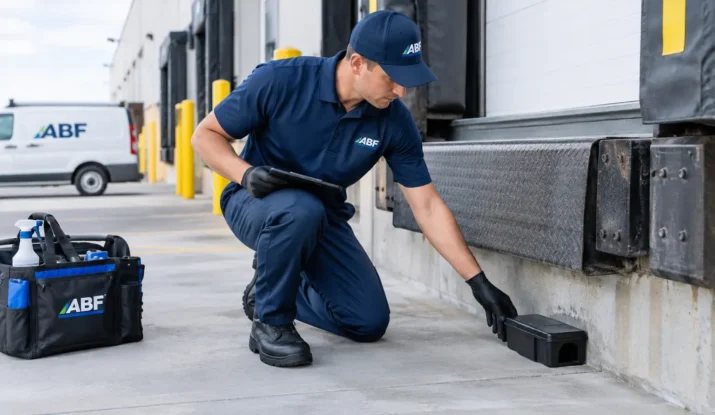
A loading dock can be the cleanest-looking part of a property at 8 a.m. and still become a pest entry point by the end of a busy delivery day. Pallets, food debris, standing water, open doors, cardboard, and overflowing waste give rodents, flies, cockroaches, and birds exactly what they need. To prevent loading dock pests, facility teams need consistent sanitation, building exclusion, and a clear process for responding before activity moves indoors.
For warehouses, restaurants, medical facilities, retail locations, schools, and multi-tenant buildings, dock conditions affect more than appearance. Pest activity can contaminate inventory, create odors, trigger health concerns, damage packaging, and lead to complaints from employees, customers, and tenants. The best approach is practical: reduce what attracts pests, close off how they enter, and inspect the area often enough to catch problems early.
Why Loading Docks Attract Pest Activity
Loading docks are active transition zones between the outside environment and the interior of a building. Doors open repeatedly, deliveries arrive from different locations, and waste often waits nearby for pickup. Unlike a front entrance or office lobby, the dock may receive less detailed attention during routine cleaning rounds.
Rodents look for shelter around stacked pallets, compactors, utility lines, and gaps beneath dock doors. Flies are drawn to leaking dumpsters, food waste, drains, and sugary spills. Cockroaches can enter in corrugated cardboard, produce crates, and delivered supplies. Birds may nest beneath awnings or on ledges, leaving droppings that create sanitation and slip hazards.
Chicago-area facilities also contend with changing seasonal conditions. Rodents often seek indoor warmth as temperatures fall, while warmer months can increase fly and insect activity around waste and moisture. A prevention plan should account for both patterns rather than treating pest control as an occasional response to a visible problem.
How to Prevent Loading Dock Pests With Daily Practices
The most effective pest prevention work happens during ordinary operations. A dock does not need to be spotless every minute, but spills, waste, and damaged materials should not be allowed to sit until the next scheduled deep clean.
Start with waste control. Dumpsters and compactors should remain closed when not in use, with lids and doors that fit correctly. If bags are placed outside the container because it is full, waste becomes an immediate food source and shelter area. Schedule pickup frequency around actual volume, especially during busy periods, seasonal peaks, or special events.
Food waste needs extra attention. Restaurant deliveries, break-room trash, damaged grocery shipments, and leaking containers can leave residue that attracts flies and rodents quickly. Train receiving teams to report damaged deliveries, remove spoiled materials promptly, and clean affected areas before the next truck arrives. Even a small liquid spill beneath a pallet can produce odors and attract insects.
Cardboard management matters as well. Corrugated boxes provide hiding places for cockroaches and can retain food residue, moisture, and insect eggs. Break down boxes as deliveries are unpacked and move them to a designated recycling area instead of allowing stacks to build near the dock. If cardboard must remain temporarily, keep it dry, elevated, and away from walls.
A dependable daily routine should include sweeping dock floors, clearing debris from corners, checking around waste equipment, and removing standing water. Pressure washing may be appropriate for exterior dock pads, dumpster pads, and areas with grease buildup, but frequency depends on the facility type and local drainage conditions. Cleaning is most effective when it removes the food and moisture sources pests depend on, not when it simply improves the visible appearance of the area.
Close the Gaps Pests Use to Enter
Sanitation reduces attraction, but exclusion stops pests from turning a dock issue into an indoor infestation. Inspect dock doors, seals, walls, drains, utility penetrations, and adjacent storage areas on a regular schedule.
Door sweeps and dock seals should sit tightly against the floor and trailer opening. A worn sweep or torn seal can create a clear path for mice and insects. Dock doors that remain open for extended periods may require strip curtains, air curtains, or operational changes that limit unnecessary exposure. The right option depends on traffic volume, safety requirements, temperature control needs, and the type of goods moving through the dock.
Pay particular attention to gaps around pipes, conduit, cable lines, and wall joints. Small openings can be significant. Mice can fit through gaps that appear too narrow to be a concern, while insects can enter through cracks around doors and damaged screens. Seal accessible gaps with pest-resistant materials, then repair the underlying damage instead of relying on temporary patches.
Drains deserve regular inspection. Organic buildup in floor drains can support fly activity, particularly in food-service, healthcare, and industrial settings. Keep drain covers secure, clear debris, and use a drain-cleaning program suited to the facility’s needs. If a drain has persistent odor or insect activity, it may require more than a surface cleaning.
Organize the Dock to Make Inspections Easier
Clutter creates blind spots. When pallets, equipment, unused materials, and empty containers are stored against walls, teams cannot see droppings, gnaw marks, nests, or spilled product until the problem has grown.
Maintain open inspection lanes along walls and around dumpsters, compactors, and dock levelers. Store pallets off the ground when possible and avoid leaving damaged pallets outside for long periods. Rotate stored goods using first-in, first-out practices so forgotten inventory does not become a nesting or harborage area.
Exterior landscaping and building conditions also play a role. Keep vegetation trimmed back from the building, address standing water near the dock, and remove accumulated leaves or debris from drains and corners. A clean dock pad is less inviting to pests and easier for staff, cleaning crews, or pest technicians to inspect accurately.
Make Pest Prevention Part of Receiving and Cleaning Procedures
Pest prevention works best when it belongs to more than one department. Receiving personnel see incoming shipments first. Maintenance teams notice damaged doors and seals. Janitorial staff often identify spills, waste buildup, and early signs of activity. Property managers can coordinate repairs, vendor access, and recurring service schedules.
Give employees a simple reporting process for pest evidence. Rodent droppings, chewed packaging, insect sightings, bird nests, unexplained odors, and grease or food leaks should be reported promptly. A single report may not indicate a major infestation, but recurring signs in the same location deserve investigation.
Documenting findings helps reveal patterns. For example, fly activity concentrated near one drain may point to organic buildup. Rodent evidence near a dock leveler may suggest a damaged seal or gap beneath the door. Seeing the pattern allows the facility to correct the cause rather than repeatedly treating the symptom.
For higher-risk environments, such as food handling, healthcare, education, and hospitality, written dock sanitation procedures can support compliance and accountability. Define who handles cleanup, how waste is stored, when doors are checked, and when an issue is escalated. Procedures should fit the operation. A high-volume distribution center needs a different schedule than a small office building with occasional deliveries.
Use Professional Support Before Activity Spreads
Visible pests are often the last sign of a developing issue. By the time rodents are seen during daylight or flies are gathering around interior receiving areas, food sources, access points, or harborage conditions may already be established.
A professional pest-control program can provide scheduled inspection, monitoring, treatment when necessary, and recommendations for exclusion and sanitation improvements. The strongest programs coordinate with the cleaning plan, waste handling, maintenance repairs, and supply needs instead of operating separately.
ABF Facility Services helps Chicagoland facilities coordinate cleaning, sanitation, waste-related services, and pest-control support through one accountable provider relationship. Trained, uniformed teams can help maintain the dock areas that often receive the most traffic and the least attention, while supporting a cleaner, safer environment for employees and deliveries.
A well-managed loading dock should make pest prevention routine rather than urgent. When cleanup is consistent, doors and seals are maintained, waste is controlled, and early signs are reported, the dock becomes a better-protected part of the facility instead of an open invitation.