
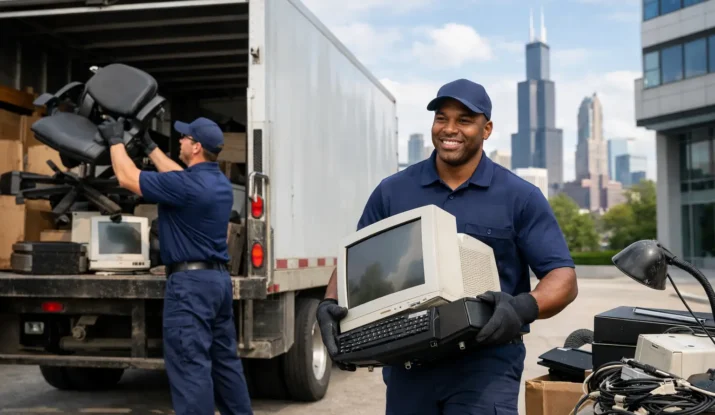
A loading area filled with broken chairs, obsolete equipment, torn carpeting, and surplus boxes does more than look unprofessional. It can restrict deliveries, create trip hazards, frustrate employees, and leave tenants or customers questioning how the property is managed. Commercial junk removal services Chicago businesses use should turn that problem into a planned, accountable process – without disrupting the work happening around it.
For facility managers, property owners, and operations teams, removal is rarely just about hauling items away. The real goal is to restore usable space, protect the building, support safe operations, and make sure the job is handled responsibly from pickup through disposal. That takes more planning than a basic curbside cleanout, especially in occupied offices, medical facilities, restaurants, schools, warehouses, and multi-tenant properties.
When Commercial Junk Removal Becomes a Facility Priority
Junk accumulates gradually. A few damaged desks move into a storage room. Old display fixtures go behind the building. Construction debris remains after a tenant improvement project. Before long, spaces intended for inventory, maintenance supplies, or daily operations become difficult to access.
In Chicago-area commercial properties, limited loading access, shared elevators, alley schedules, weather, and building rules can make removal more complicated. A reliable provider should account for those details before arriving. That includes confirming where crews can park, what routes can be used, whether elevators need to be reserved, and how work can be completed with minimal disturbance to tenants, staff, patients, students, or customers.
Removal is especially valuable when a business is relocating, renovating, clearing a vacated suite, replacing furniture, recovering from water damage, or preparing for an inspection. It also helps facilities maintain a cleaner, safer appearance between larger projects. Waiting until clutter becomes an emergency usually limits scheduling options and creates more pressure for everyone involved.
What Commercial Junk Removal Services in Chicago Should Include
A commercial removal project should begin with a clear understanding of the materials involved and the condition of the site. Some jobs are straightforward, such as clearing office furniture, cardboard, packaging, shelving, and non-hazardous debris. Others need a more coordinated approach because items are heavy, located on upper floors, mixed with reusable materials, or close to active work areas.
The best scope depends on the facility. An office may need unwanted cubicles, monitors, chairs, and file-storage units removed after a reconfiguration. A retail property may need damaged fixtures, pallets, seasonal displays, and stockroom clutter cleared before a reset. Industrial and warehouse sites may require removal of non-hazardous scrap, broken storage racks, obsolete materials, or debris that interferes with safe workflows.
A professional crew should be trained, uniformed, insured, and prepared to work within site-specific safety expectations. OSHA-conscious practices matter when moving bulky items through hallways, docks, stairwells, and shared spaces. Proper equipment and a disciplined plan reduce the risk of damaged walls, scratched floors, blocked exits, and unsafe lifting.
For many properties, the removal itself is only one part of the work. A complete service plan may also include sweeping or cleaning the cleared area, pressure washing a dumpster enclosure or loading zone, treating hard floors, removing leftover adhesive, and replenishing supplies used to keep the space operational. Coordinating these needs through one accountable facility-services provider can reduce the time spent managing separate vendors.
Plan the Removal Around Operations
A cleanout should not force your business to pause. The right schedule depends on the building, the volume of materials, and the level of activity around the work area. A small office furniture pickup may be completed during regular hours. A larger warehouse clear-out, retail reset, or multi-floor property cleanout may be better scheduled after hours or during a lower-traffic window.
Before the project, identify what must stay, what is being removed, and who has authority to make decisions onsite. Clearly labeled items prevent costly mistakes, particularly when storage rooms contain equipment, archived records, or supplies that still have value. It also helps to communicate access rules, security procedures, elevator restrictions, loading-dock requirements, and any areas that must remain clear for emergency egress.
If a building has tenants, a brief advance notice can make the project go much more smoothly. People are more accommodating when they know why a service elevator is reserved or why crews are working near a common area. Good planning protects the tenant experience as well as the removal schedule.
Separate Junk From Materials That Need Special Handling
Not every unwanted item belongs in the same disposal stream. Electronics, batteries, fluorescent lamps, chemicals, certain appliances, confidential paper records, and regulated medical materials may require specialized handling. These items should be identified before the removal date rather than discovered when the crew arrives.
This is one area where cutting corners can create unnecessary risk. Improper disposal can affect environmental compliance, data security, and workplace safety. A dependable provider will clarify what it can remove, what requires separate arrangements, and how materials should be staged. When in doubt, facility leaders should ask direct questions about accepted materials and disposal procedures before approving the job.
Protect Floors, Walls, and Daily Traffic Routes
Commercial junk removal can be hard on a property when crews rush through it without preparation. Furniture legs, metal shelving, and bulky equipment can damage elevators, door frames, wall corners, and finished floors. Those repairs can cost far more than the removal service itself.
Professional planning includes choosing the safest path from the removal area to the truck, protecting vulnerable surfaces where appropriate, and keeping corridors clear. This is particularly important in healthcare environments, schools, hospitality properties, and Class A office buildings where cleanliness and presentation cannot be treated as an afterthought.
It also matters in industrial settings. Removal routes should not cross active forklift lanes, obstruct shipping activity, or introduce debris near production areas. The work must fit the site, not the other way around.
Disposal Decisions Reflect on Your Business
A responsible commercial cleanout considers what can be reused, recycled, donated when appropriate, or disposed of according to applicable requirements. The practical option depends on the item type, condition, local acceptance rules, and project timeline. Not every item can be diverted from disposal, but treating every load as ordinary trash is not a responsible default.
Facility leaders should look for transparency rather than vague promises. Ask how materials are sorted, whether recyclable items are separated when feasible, and what documentation or confirmation can be provided for a large project. Responsible handling supports sustainability goals while helping businesses maintain orderly, compliant properties.
ABF Facility Services approaches removal as part of a broader facility plan. A clear-out can be paired with recurring janitorial service, floor care, sanitization, pressure washing, pest control, and replenishment of restroom and janitorial supplies. That coordinated approach is useful when the goal is not simply to empty a room, but to return it to a clean, usable condition.
Choosing a Commercial Junk Removal Partner
Price matters, but the lowest quote is not always the lowest operational cost. A provider that arrives late, lacks the right equipment, damages property, leaves debris behind, or cannot accommodate building requirements can turn a simple project into a management problem.
Look for a company that communicates clearly about scope, timing, access, labor, disposal, and any limitations. The provider should be willing to assess the job, answer questions, and offer a plan that reflects your facility’s actual conditions. For recurring property needs, responsiveness is just as important as the initial pickup. You need a team that can address a sudden tenant move-out, a storage-room overflow, or a post-project debris issue without creating a new burden for your staff.
Commercial junk removal services in Chicago are most effective when they are scheduled before clutter affects safety, productivity, or presentation. A well-managed removal project gives your team room to work, gives visitors a better impression, and gives your property a cleaner starting point for whatever comes next. If an area in your facility has become difficult to use or difficult to manage, it may be time to request an estimate and put a practical removal plan in place.