
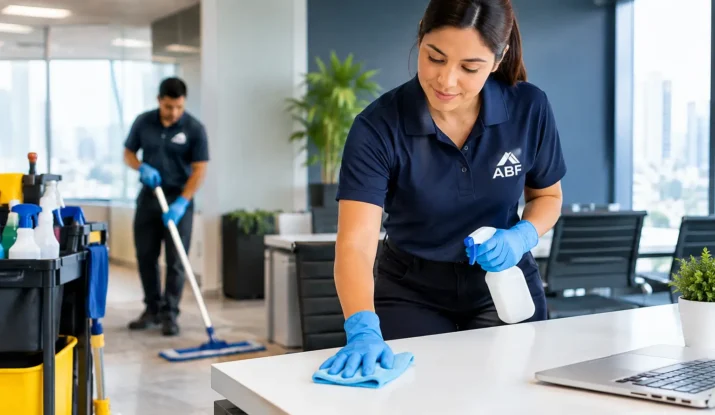
A conference room can look perfectly clean at 8:00 a.m. and still create sanitation problems by noon. Door handles, refrigerator pulls, coffee machines, elevator buttons, shared keyboards, and restroom fixtures collect contact throughout the workday. The best office sanitation practices address those real-use patterns instead of relying on a quick visual reset after hours.
For office managers and facility leaders, the goal is not to turn the workplace into a clinical environment. It is to maintain a healthy, professional, well-supplied space where employees can work comfortably and visitors see that standards are being managed. That requires a clear scope, dependable execution, and enough flexibility to respond when occupancy, weather, illness, or events change the facility’s needs.
Start With a Sanitation Plan Built Around the Facility
A generic cleaning checklist rarely works as well as a plan designed around how your office operates. A law office with frequent client visits has different priorities than a call center, medical administrative office, warehouse office, or hybrid workplace with peak attendance on certain days.
Walk the space and identify where people touch, gather, eat, and wait. Reception counters and entry doors deserve attention because they shape first impressions and receive constant traffic. Break rooms require closer sanitation because food residue can attract pests and create odor issues. Restrooms need both thorough cleaning and reliable supply replenishment. Shared workstations may need a different approach depending on whether employees rotate desks or use assigned spaces.
A practical plan also identifies ownership. Employees can help keep personal desks orderly, but they should not be expected to manage restroom sanitation, trash flow, disinfectant dwell times, or floor-care needs. Those tasks need trained personnel, clear procedures, and documented expectations.
Clean First, Then Disinfect Where It Matters
Cleaning and disinfecting are related, but they are not interchangeable. Cleaning removes dirt, debris, food residue, and many germs from a surface. Disinfecting uses an appropriate product to reduce microorganisms on a previously cleaned surface. Applying disinfectant to a visibly soiled break-room table or restroom fixture may not deliver the intended result.
High-touch points should receive focused cleaning and disinfection on a schedule that matches their use. In a busy office, that can mean daily or more frequent service for entry handles, handrails, shared equipment, faucet handles, flush levers, appliance handles, and common-area touchpoints. Lower-traffic areas may require less frequent attention. The right frequency depends on occupancy, public access, the type of work performed, and whether shared surfaces are common.
Product use matters as much as product selection. Teams should follow label directions, including the required contact time. Wiping a disinfectant away immediately can reduce its effectiveness. Color-coded cleaning systems also help prevent cross-contamination by keeping restroom tools separate from those used in offices, break rooms, and public areas.
Put Restrooms at the Center of Office Sanitation
Restrooms are one of the fastest ways a facility can lose employee confidence or frustrate visitors. A restroom that is technically cleaned but lacks soap, paper towels, tissue, or a functioning dispenser is not fully sanitary from the user’s perspective.
Daily restroom service should include cleaning and disinfecting toilets, urinals, sinks, faucets, counters, stall hardware, dispensers, and frequently touched door surfaces. Floors need attention as well, particularly around toilets, sinks, and entrances where moisture and traffic can create slip risks. Odor should be treated as a signal to investigate, not simply covered with fragrance. Persistent odor may point to missed cleaning, waste issues, drain concerns, or a maintenance need.
Supply levels should be checked against actual usage rather than guessed. Offices with changing headcounts often run short because their replenishment schedule was built for a different occupancy level. A managed supply program for soap, tissue, towels, gloves, and related items reduces last-minute purchasing and helps keep restrooms consistently ready.
Control Break-Room Waste Before It Becomes a Bigger Problem
Break rooms are a common source of sanitation complaints because they combine food, moisture, shared appliances, and inconsistent employee habits. Daily removal of food waste is essential, especially before weekends and holidays. Trash liners should be changed when soiled or near capacity, not only on a fixed calendar schedule.
Counters, tables, sinks, microwave handles, refrigerator handles, coffee stations, and vending areas need regular cleaning. The interior of refrigerators and microwaves should be included in a periodic deep-clean schedule, with advance notice so employees can remove personal food items. This prevents abandoned food, spills, and odors from becoming recurring problems.
Waste management and pest prevention are closely connected. Prompt trash removal, clean floors, closed food containers, and attention to spills make the space less attractive to pests. If signs of pest activity appear, address them quickly with a coordinated sanitation and pest-control response rather than treating the issue as an isolated event.
Improve Air and Floor Cleanliness Without Disrupting Work
Sanitation is not limited to hard surfaces. Dust, allergens, tracked-in debris, and poorly maintained floors affect how an office feels and can contribute to complaints about indoor cleanliness. High-filtration vacuuming is particularly useful for carpeted offices, reception areas, and spaces with frequent foot traffic. Entry mats should be maintained and replaced or serviced as needed because they capture dirt before it spreads through the building.
Hard floors need the right care for the material and condition. Daily dust mopping or damp mopping may be enough for one area, while another may need periodic machine scrubbing, burnishing, stripping, or refinishing. Overusing water or using the wrong chemical can damage floors, create slip hazards, and leave residue behind. A tailored floor-care plan protects the asset while maintaining a clean appearance.
Vent cleaning, touchpoint sanitation, carpet care, and routine dust removal also work best when scheduled around occupancy. Early morning, evening, or weekend service may minimize interruption. The trade-off is that after-hours cleaning must still include quality checks so issues are found before employees and visitors arrive.
Make Hand Hygiene Easy to Follow
People are more likely to use hand hygiene supplies when those supplies are visible, stocked, and located where the need is obvious. Restrooms need dependable soap and drying options. Break rooms, reception areas, and shared equipment zones may also benefit from accessible hand sanitizer.
Placement matters. A sanitizer dispenser hidden behind a printer is less useful than one near an entrance, shared touch screen, or coffee station. At the same time, products should not clutter walkways or create spill risks. Facility leaders should review dispenser placement periodically, especially when furniture layouts or traffic patterns change.
Encourage reasonable hygiene habits without creating a punitive atmosphere. Clear, simple reminders about handwashing, cleaning up food spills, and reporting depleted supplies are usually more effective than overly complicated signage.
Use a Schedule, Inspection Process, and Response Standard
Consistency is the difference between a sanitation plan and a set of good intentions. The best office sanitation practices assign frequencies to each task, distinguish routine work from periodic deep cleaning, and include a process for quality verification.
A useful sanitation program typically tracks four areas:
- Daily service tasks, such as restroom cleaning, trash removal, break-room wipe-downs, and high-touch disinfection.
- Weekly or periodic tasks, such as detailed dusting, interior glass, appliance cleaning, and floor-edge attention.
- Supply checks for soap, paper products, liners, sanitizer, gloves, and other consumables.
- Service requests and corrective actions, including spills, illness-related cleanup, odor complaints, and urgent facility concerns.
Inspections should focus on the employee and visitor experience, not just whether a checklist has been initialed. Are restroom floors dry? Are supplies available? Is trash contained? Do touchpoints feel clean? Are there visible stains, odors, or missed details at the entrance? These observations create a more accurate standard of performance.
For multi-tenant buildings and busy Chicagoland offices, communication is equally important. A responsive provider should know who receives service updates, how urgent requests are submitted, and what response time is expected. Seasonal conditions also matter. Snow, salt, and wet entryways can quickly undermine sanitation and floor safety during a Chicago winter.
Choose Trained Support for High-Risk or High-Visibility Areas
Some sanitation needs call for more than routine office cleaning. Illness-related cleanup, heavy restroom traffic, post-event service, construction dust, floor restoration, and pest concerns benefit from trained teams using appropriate products and equipment. OSHA-compliant procedures, insured personnel, microfiber tools, and sustainable products such as Green Seal-certified options can support a cleaner workplace without adding unnecessary risk.
ABF Facility Services helps offices and commercial properties coordinate janitorial service, sanitation, supply replenishment, floor care, pest control, and removal needs through one accountable relationship. That approach can reduce the administrative burden of managing separate vendors while making it easier to keep standards consistent across the facility.
A clean office is noticed most when it is missing. Build sanitation around the moments people actually experience – entering the building, using a restroom, sharing a break room, meeting a client, and returning to a desk that feels ready for work. When those moments are handled reliably, cleanliness becomes part of how your operation earns trust every day.