
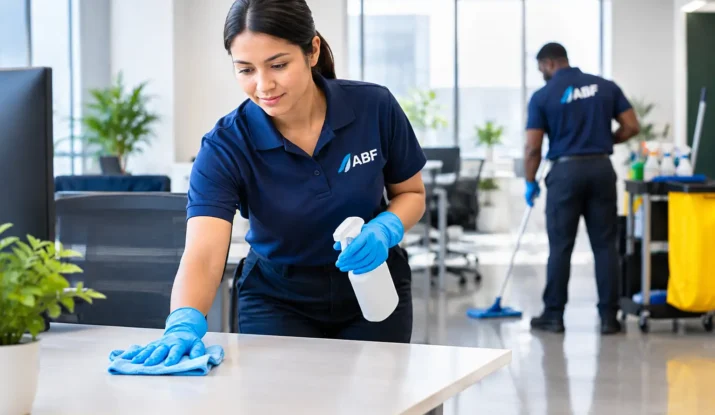
A visibly clean lobby or office can make a strong first impression, but the health value of cleaning is often less obvious. Can cleaning prevent illnesses? It can help reduce the spread of certain germs and remove allergens, soils, and contaminants that affect people indoors. It cannot guarantee that no one will get sick. For facility managers and business owners, that distinction matters because the goal is practical risk reduction through consistent, well-managed cleaning.
A workplace is a shared environment. Employees, visitors, tenants, patients, students, customers, deliveries, and service providers all touch the same entry doors, restrooms, breakrooms, counters, equipment, and elevator buttons. When routine cleaning falls behind, those high-use areas can accumulate germs and grime quickly. A dependable commercial cleaning program helps facilities interrupt that cycle while maintaining a space people feel comfortable using.
Can Cleaning Prevent Illnesses? It Can Reduce Risk
Cleaning, sanitizing, and disinfecting are related but different tasks. Cleaning removes visible soil, dust, food residue, and many microorganisms from a surface. Sanitizing lowers certain germs to levels considered safer for public health. Disinfecting uses an appropriate product and dwell time to kill or inactivate specific germs listed on the product label.
The order matters. A disinfectant applied to a dirty surface may not work as intended because soil and residue can block contact with the surface. Effective crews clean first, then disinfect targeted high-touch areas when the situation and facility type call for it.
This process can reduce the number of germs people may encounter during a workday. That may lower transmission risk, especially during seasonal respiratory illness outbreaks or when gastrointestinal illness is circulating. Still, illness prevention also depends on ventilation, vaccination where appropriate, hand hygiene, staying home when sick, food handling, and personal contact. Cleaning is one important layer, not a stand-alone guarantee.
The Areas That Deserve the Most Attention
A good facility plan does not treat every surface the same way. High-touch points need more frequent attention than low-touch surfaces, while some areas need specialty methods based on the work being done there.
Restrooms and breakrooms
Restrooms are a clear priority because handwashing, toilet flushing, and frequent use create opportunities for contamination. Cleaning teams should address toilets, urinals, sinks, faucet handles, dispensers, stall latches, door handles, floors, and waste receptacles on a reliable schedule. Just as important, soap, paper towels, toilet tissue, and hand sanitizer must be available when people need them. An empty soap dispenser can undermine an otherwise thorough cleaning program.
Breakrooms require the same care. Refrigerator handles, microwaves, coffee stations, shared tables, vending areas, and sink fixtures see repeated hand contact throughout the day. Food residue also attracts pests, creates odors, and makes cleaning more difficult if it is left to build up.
Shared equipment and touchpoints
Door hardware, reception counters, elevator controls, copier panels, light switches, phones, keyboards, shared tools, and point-of-sale surfaces can be overlooked when crews focus only on what looks dirty. These areas benefit from a documented high-touch cleaning routine tailored to actual traffic patterns.
In an industrial setting, that may include time clocks, control panels, forklift touchpoints, locker rooms, safety stations, and shared handheld devices. In medical, educational, hospitality, and retail environments, the list will look different. The strongest plan follows how people move through the property rather than relying on a generic checklist.
Floors, carpets, and indoor air contributors
Floor care is also part of a healthier facility. Entryways bring in salt, moisture, pollen, fine particulate matter, and outdoor debris. Carpets trap dust and allergens, while hard floors can hold soil in corners, grout lines, and damaged finish. Regular vacuuming with high-filtration equipment, prompt spill response, floor maintenance, and periodic deep cleaning help control buildup.
Floor cleaning alone does not prevent a virus from spreading, but it supports better overall hygiene and indoor comfort. It also helps protect flooring assets, reduce slip hazards, and maintain the professional appearance tenants and visitors expect.
Frequency Matters More Than Occasional Deep Cleaning
A one-time deep clean can address accumulated soil or prepare a building after a special event, construction work, illness concern, or move. It does not replace routine service. Germs, dust, restroom waste, and touchpoint contamination return as soon as normal traffic resumes.
The right cleaning frequency depends on occupancy, operating hours, facility type, restroom use, public access, season, and the nature of the work performed. A small office with limited visitors may need a different schedule than a school, restaurant, warehouse, clinic, or multi-tenant commercial property. During flu season or periods of increased absenteeism, a facility may benefit from added attention to high-touch areas and day porter service.
Consistency is what turns a cleaning plan into a health-supporting operational practice. Supervisors should be able to confirm what was cleaned, when it was completed, and how concerns are reported and corrected. Without accountability, even a detailed scope of work can become uneven from week to week.
Cleaning Practices That Support Better Results
The products and tools used matter as much as the schedule. Cross-contamination can occur when the same cloth, mop, or gloves move from a restroom to a desk area or breakroom. Color-coded cleaning systems help crews keep restroom tools separate from general-use tools. Fresh microfiber cloths capture soil effectively and can be changed frequently, while properly maintained equipment helps avoid spreading dirt from one area to another.
Chemical selection deserves care as well. More product is not always better. Teams need training on dilution, surface compatibility, dwell times, ventilation, personal protective equipment, and safe storage. Using the wrong product can damage finishes, leave irritating residue, or fail to provide the intended level of disinfection.
For organizations with environmental goals, Green Seal-certified and other sustainable product options can support responsible facility care. The practical balance is choosing products that are effective for the task, appropriate for the people using the space, and compatible with the facility’s materials and operational requirements.
When a Facility Needs More Than Routine Janitorial Service
Routine cleaning is the foundation, but some conditions require a more targeted response. A water event, pest activity, overflowing waste area, construction dust, carpet contamination, or reported illness cluster may call for additional services and an adjusted scope of work.
For example, pressure washing can address exterior buildup and slippery entry areas. Carpet extraction can remove embedded soil and odors. Pest-control service can address the conditions that allow pests to thrive, including food debris and unmanaged waste. Trash and junk removal may be necessary when clutter limits access for proper cleaning or creates safety concerns.
The key is to respond based on the condition of the property, not simply add services without a clear purpose. A qualified provider should assess the environment, explain what is needed, and perform the work with minimal disruption to occupants and operations.
Building a Practical Illness-Prevention Plan
Facility leaders get better results when cleaning is connected to the rest of their health and safety practices. Start by identifying high-traffic areas, shared equipment, high-touch surfaces, and points where supplies routinely run out. Then establish realistic service frequencies, clear quality expectations, and a method for reporting urgent concerns.
It also helps to communicate simple expectations to employees and tenants. Encourage handwashing, prompt reporting of spills or restroom issues, proper disposal of food waste, and staying home when they are ill. Cleaning professionals can maintain the environment, but everyone in the building affects how clean and healthy it remains between service visits.
ABF Facility Services helps Chicagoland facilities coordinate recurring janitorial care, sanitization, consumable replenishment, floor care, maintenance cleaning, and specialty services through one accountable relationship. Trained, uniformed, insured, OSHA-compliant teams can tailor a program to the way your building is actually used.
A healthier workplace rarely comes from one dramatic cleaning event. It comes from small, dependable actions completed correctly every day: clean hands, stocked restrooms, managed waste, maintained floors, and high-touch surfaces that receive the attention they deserve.