
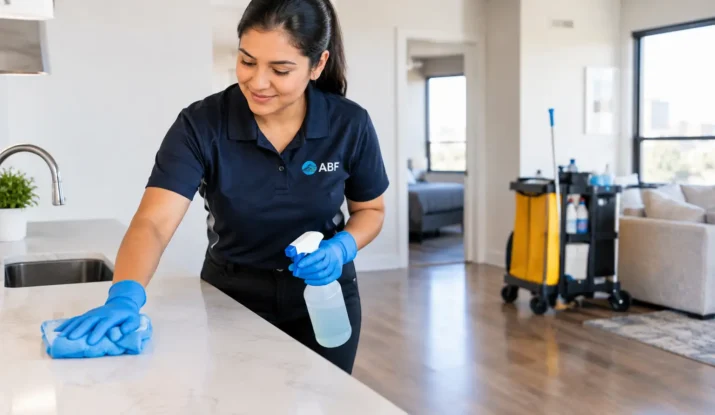
A tenant moveout can expose months or years of overlooked wear in a matter of hours. Grease behind appliances, stained carpet traffic lanes, overflowing storage rooms, and residue in restrooms can delay the next lease, trigger complaints, and make an otherwise well-maintained property look neglected. The top tenant moveout cleaning tasks help property managers create a consistent turnover process that protects the asset and prepares the space for its next use.
For commercial suites, offices, retail locations, restaurants, and industrial spaces, moveout cleaning is more than a quick wipe-down. It is an opportunity to inspect the property, remove what does not belong, address sanitation concerns, and return floors and surfaces to a presentable condition. The right scope depends on the tenant’s operations, lease requirements, and the condition of the space, but a detailed plan prevents costly surprises when the next occupant is ready to move in.
Start With a Walk-Through and Scope of Work
Cleaning should begin with a documented walk-through after the tenant has removed its equipment, inventory, and personal property. This allows the property manager or facility team to identify damage, abandoned materials, special cleaning needs, and areas that may require repair before a new tenant takes possession.
Photograph the condition of floors, walls, restrooms, break rooms, loading areas, and built-in fixtures. Note issues that cleaning will not correct, such as damaged drywall, broken tile, water stains, or malfunctioning plumbing. Separating cleaning needs from maintenance needs keeps the turnover schedule realistic and gives everyone a clear record of the space.
A written scope also helps prevent missed work. A small office may need detailed restroom sanitation, interior glass cleaning, carpet extraction, and trash removal. A former restaurant may require degreasing, pest-control attention, floor scrubbing, and removal of food-related waste. An industrial tenant may leave dust, pallet debris, oils, or specialized waste that requires a different approach.
Top Tenant Moveout Cleaning Tasks to Prioritize
The most effective moveout cleaning plan follows the building from high-touch details to large, visible surfaces. Priorities should be based on safety, sanitation, appearance, and the amount of time needed for each service to dry or cure before occupancy.
Remove Trash, Junk, and Left-Behind Materials
Waste removal is usually the first physical task because clutter prevents proper cleaning and inspection. Empty desks, cabinets, closets, refrigerators, storage areas, and loading docks should be checked carefully. Remove bagged trash, loose debris, packaging, abandoned furniture, and non-hazardous junk according to property procedures.
Do not assume all materials can enter the regular waste stream. Paint, chemicals, batteries, electronic equipment, fluorescent lamps, sharps, and other regulated materials may require separate handling. If there is any doubt about an item, pause and verify the proper disposal method. Safe removal protects the building team and reduces the risk of improper disposal claims.
Deep Clean Restrooms and Break Rooms
Restrooms and food-service areas receive close scrutiny from prospective tenants, employees, and visitors. Clean and disinfect toilets, urinals, sinks, faucets, counters, partitions, dispensers, and touchpoints. Hard-water buildup, soap residue, and odor sources should be addressed rather than masked with fragrance.
In break rooms, clean the inside and exterior of refrigerators, microwaves, cabinets, countertops, sinks, and backsplashes. Grease and food debris often collect behind appliances and beneath counter edges. Check floor drains where applicable, and make sure no perishable items have been left behind. A clean break room signals that the entire facility has been cared for.
Address Floors Based on Their Material and Condition
Flooring often determines whether a vacant suite looks ready or tired. Vacuum carpet thoroughly using high-filtration equipment, then evaluate whether spot treatment, hot-water extraction, low-moisture cleaning, or replacement is appropriate. Deep carpet cleaning can improve appearance and reduce odors, but it will not restore carpet that is severely worn, burned, or permanently stained.
Hard floors need a material-specific approach. Sweep and damp mop first, then use machine scrubbing, stripping, waxing, or burnishing when the finish is dull, soiled, or damaged. Tile grout may need focused scrubbing, while resilient flooring may need finish restoration. Floors should be fully dry before a final inspection or contractor access to reduce slip hazards and prevent tracked-in soil.
Clean Glass, Fixtures, and High-Touch Surfaces
Interior glass, entry doors, sidelights, mirrors, light switches, door handles, railings, and elevator buttons leave a strong impression because people notice fingerprints immediately. Clean these areas with the appropriate products for the surface, avoiding residue that attracts more dust or causes streaking.
Include baseboards, window ledges, vents, ceiling diffusers, and light fixtures in the inspection. These details are easy to miss during routine service but can make a vacancy look unfinished. In dusty offices or industrial spaces, microfiber tools and controlled dusting methods help capture soil instead of spreading it through the air.
Clean Walls, Doors, and Built-In Surfaces
Walls deserve careful assessment. Light scuffs, tape residue, fingerprints, and splash marks can often be removed with targeted cleaning. Aggressive scrubbing may damage paint, however, so cleaning teams should test a small area first and report surfaces that need repainting rather than overworking them.
Wipe doors, frames, trim, built-in shelving, counters, and interior cabinets. Pay special attention to adhesive residue from signs, decals, cable mounts, and temporary barriers. Removing residue properly is faster and safer than scraping with tools that can scratch glass, metal, or painted surfaces.
Do Not Overlook Odors, Pests, and Air Quality
A space can look clean and still fail a turnover inspection because of odors. Smoke, food, mildew, restroom odors, and stale trash may be absorbed by carpet, upholstery, ceiling tiles, or HVAC components. Identify the source before choosing a treatment. Surface fragrance may offer a short-term improvement, but it does not resolve a drain issue, spoiled food, moisture problem, or contaminated carpet pad.
Vacant spaces can also attract pests, particularly when food waste, standing water, or clutter is left behind. Inspect under sinks, around break rooms, near exterior doors, and in storage areas for signs of activity. A coordinated cleaning and pest-control response is more effective than treating either issue in isolation.
For spaces with heavy dust, visible mold-like growth, or indoor air concerns, the next step depends on the cause and the building’s condition. Cleaning may be part of the solution, but leaks, damaged materials, and ventilation issues should be handled promptly by qualified maintenance professionals.
Schedule Work in the Right Order
The order of work affects both quality and turnaround time. Complete junk removal and maintenance access before final cleaning whenever possible. Ceiling work, painting, repairs, and contractor traffic can create new dust and debris after a cleaning crew has finished.
A practical sequence is removal first, repairs second, detailed cleaning third, and a final touch-up after all other trades have cleared the space. Carpet extraction and floor finishing should be scheduled with enough drying and curing time before furniture delivery or tenant move-in. Rushing this step can leave footprints, dull a new floor finish, or create moisture concerns.
Property managers should also clarify who is responsible for keys, access cards, alarm procedures, loading dock access, and utility availability. A trained, insured cleaning team can work efficiently only when it has safe access to water, power, and the areas included in the scope.
Build a Repeatable Turnover Standard
Consistency is what turns moveout cleaning from a last-minute expense into a manageable property process. Use the same inspection categories for each vacancy, while allowing the scope to expand for restaurant, health care, industrial, or high-traffic retail spaces. Keep records of the work completed, notable conditions, and any items referred for repair.
For Chicagoland property managers, a dependable facility-services partner can coordinate detailed cleaning, floor care, sanitation, junk removal, pest concerns, and recurring supplies through one accountable relationship. ABF Facility Services uses trained, uniformed, insured teams, color-coded cleaning systems, microfiber tools, and appropriate equipment to help prepare commercial spaces for the next occupant.
A clean turnover gives the next tenant a better first day and gives the property team a clear, defensible standard for every handoff. Schedule the work early, document conditions carefully, and leave enough time to correct what cleaning alone cannot fix.