
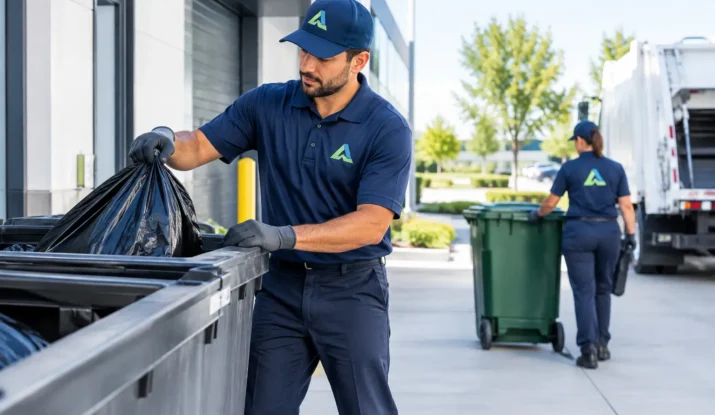
A loading dock with overflowing cardboard, leaking bags, or unmarked containers can create problems long before pickup day. It affects employee safety, pest activity, customer impressions, fire risk, and the efficiency of everyone working nearby. This commercial waste handling guide gives facility managers and business owners a practical framework for keeping waste controlled from the point it is created through final removal.
Waste handling is not simply a housekeeping task. In an office, restaurant, school, retail store, medical setting, or industrial facility, it is part of daily operations. The right process protects people, keeps work areas usable, and helps prevent small disposal issues from becoming costly service calls or compliance concerns.
Start With a Clear Waste Assessment
Before adding bins or changing pickup schedules, identify what your facility actually produces. Walk the property at different times of day, including after deliveries, during peak operations, and after closing. Waste volume can look very different at 8 a.m. than it does after a lunch rush, production shift, or tenant move-out.
Track the main materials entering your waste stream, where they originate, and how quickly they accumulate. Common categories include general trash, cardboard and paper, food waste, recyclables, bulky items, confidential paper, construction debris, and regulated materials. Each category may need different containers, storage procedures, collection frequency, and disposal partners.
A waste assessment should also identify recurring trouble spots. A break room may need more recycling capacity, while a rear dock may need a better cardboard breakdown process. If bags routinely pile up beside a dumpster, the issue may be insufficient capacity, missed collection, poor container placement, or a lack of accountability among tenants or staff.
Build a Commercial Waste Handling Plan Around the Workflow
The best commercial waste handling plan is easy for employees to follow under normal working conditions. It should fit the layout of the building, the volume of material produced, and the pace of the operation. A process that requires staff to carry waste across a large facility or guess which bin to use will eventually fail.
Separate waste at the source
Place clearly labeled containers where waste is generated, not only in a central storage room. Use simple labels with words and visual cues, especially in shared spaces, kitchens, loading areas, and employee break rooms. Color-coded containers can help reduce confusion, but colors should be consistent throughout the property.
Keep general trash, recyclables, and specialty materials separate as early as possible. Once food waste contaminates cardboard or loose trash is mixed into recycling, recovery becomes more difficult and the area becomes harder to keep clean. For facilities with sensitive documents, establish locked collection points and a documented destruction process rather than allowing confidential paper to sit in open bins.
Size containers and pickups correctly
Container size is a cost and cleanliness decision. Too little capacity leads to overflow, loose debris, and rushed cleanup. Too much capacity can waste space, increase handling time, and leave trash sitting longer than necessary.
Review collection frequency against actual volume. A restaurant may need frequent removal of food-related waste, while a professional office may need more attention on paper, packaging, and periodic cleanouts. Seasonal changes matter as well. Retail properties often see higher cardboard volume during holiday deliveries, while schools and offices may need adjusted service during breaks, move-ins, or special events.
Keep storage areas clean and accessible
Waste storage areas deserve the same attention as public-facing spaces. Keep dumpster enclosures, compactors, dock areas, and interior waste rooms free of loose debris. Clean spills promptly, especially around food waste, liquids, grease, or damaged bags. These conditions can attract pests, create slip hazards, and cause odors that travel into work areas.
Maintain clear access for collection vehicles and staff. Do not allow pallets, equipment, or unauthorized dumping to block containers. If several vendors or tenants use the same enclosure, designate responsibility for daily checks and communicate what is and is not permitted in the area.
Handle Special Waste With Extra Care
Not all waste belongs in the regular dumpster. Facilities should create written procedures for materials that require separate handling, whether because of safety, privacy, volume, or local disposal rules.
- Batteries, lamps, electronics, and certain chemical products may require designated collection and approved disposal methods.
- Sharps, medical waste, and potentially infectious materials need controlled containers and procedures appropriate to the setting.
- Paint, solvents, oils, aerosols, and maintenance chemicals should be kept in labeled, compatible containers and handled according to applicable requirements.
- Large furniture, appliances, fixtures, and construction debris often require scheduled removal rather than being left beside regular waste containers.
Requirements vary by material and location, so facility leaders should verify current local, state, and federal obligations for their operation. When in doubt, do not place an unfamiliar item into general trash or recycling. A trained waste removal or facility-services partner can help determine the safest next step.
Protect Employees During Collection and Removal
Waste handling exposes staff to lifting injuries, cuts, spills, pests, and unknown contents. Clear procedures and proper supplies reduce those risks. Employees assigned to waste duties should know how to lift safely, when to use carts, how to recognize damaged bags or leaking containers, and who to notify when they encounter a hazard.
Provide the right personal protective equipment for the task. Gloves are a baseline for many collection duties, but some environments may require eye protection, puncture-resistant gloves, or other safeguards. Keep handwashing supplies available near waste-handling areas, and make sure staff do not compress bags with their hands or reach into containers where sharp objects may be present.
Cleaning crews should use dedicated tools and follow a defined process for waste rooms, restrooms, kitchens, and other high-risk areas. Color-coded cleaning systems, microfiber tools, and properly maintained equipment help prevent cross-contamination between areas. For spills involving unknown substances, restrict access until the material can be assessed and cleaned correctly.
Prevent Pests, Odors, and Fire Hazards
Waste accumulation creates conditions pests look for: food, moisture, shelter, and overlooked corners. Even a clean facility can develop pest pressure when bags are left overnight, lids remain open, or dumpsters are not cleaned regularly. Keep lids closed, repair damaged containers, and avoid placing waste directly against exterior walls or entry points whenever possible.
Odor control starts with removal frequency and sanitation, not fragrance. Clean interior cans and exterior containers on a regular schedule, remove residue from floors and drains, and address leaks immediately. If odors persist, investigate the source rather than masking it. It could be a missed pickup, food buildup, a damaged drain, or a pest issue that needs professional attention.
Cardboard, paper, oily rags, and improperly stored materials can also raise fire concerns. Break down boxes promptly, keep exit paths and electrical panels clear, and never let waste storage expand into areas not designed for it. Coordinate waste practices with your facility’s fire-safety procedures and building rules.
Make Accountability Part of the Routine
A written waste plan only works when someone owns it. Assign daily and weekly checks to a specific role, whether that is a facility manager, operations supervisor, property staff member, or cleaning partner. The goal is not to create unnecessary paperwork. It is to catch overflow, contamination, damaged containers, and missed removal before they disrupt the facility.
A useful inspection covers container condition, lid closure, loose debris, odors, access, signage, and supply levels for bags, gloves, and cleaning materials. Document repeat issues and look for patterns. If the same hallway bin overflows every Friday, the solution may be a larger container or an added collection round, not repeated reminders to staff.
For multi-tenant buildings and busy commercial properties, a single accountable provider can simplify coordination. ABF Facility Services supports Chicagoland facilities with recurring cleaning, consumable replenishment, pest-control coordination, and trash and junk removal needs, helping managers address connected issues without juggling separate service relationships.
Know When to Schedule a Cleanout
Regular waste collection does not solve every disposal challenge. Tenant turnovers, office relocations, storage-room cleanouts, renovations, damaged inventory, and equipment replacements can generate more material than routine service can handle. Waiting too long can block exits, consume valuable storage space, and make a property look neglected.
Schedule removal work early when you know a major project is coming. Separate recyclable material, reusable items, confidential records, and regulated materials before the removal date when possible. This makes the job safer, faster, and easier to manage than a last-minute pileup at the dock.
A clean waste area is a visible sign of an organized facility. Give it the same operational attention as restrooms, floors, entrances, and break rooms, and it will support a safer workplace, a better visitor experience, and fewer preventable disruptions.