
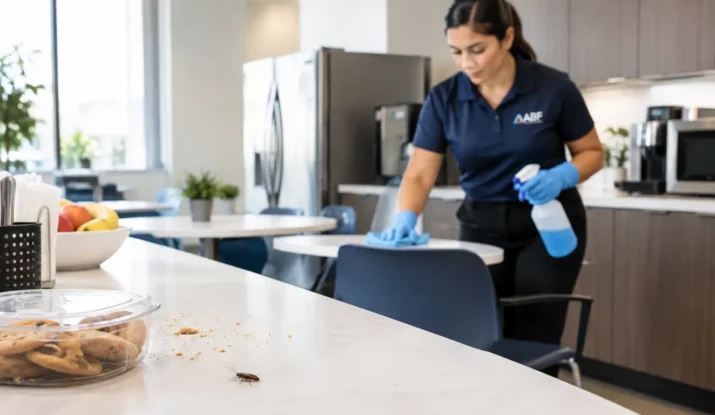
A breakroom can look reasonably clean at 9 a.m. and still be highly attractive to pests by the end of the day. A few crumbs under the toaster, sugary residue around a coffee station, an overfilled trash can, or a damp sponge left overnight can create the food, water, and shelter pests need. That is why do breakrooms attract pests is more than a housekeeping question. It is a facility-management issue that affects employee comfort, sanitation, tenant satisfaction, and your building’s professional image.
For offices, schools, health care facilities, warehouses, restaurants, and multi-tenant properties, breakrooms receive concentrated use in a small footprint. They also often have less oversight between cleaning visits than restrooms, lobbies, or customer-facing areas. Effective prevention starts with understanding the conditions pests seek and building those details into the daily cleaning routine.
Why Do Breakrooms Attract Pests?
Pests are not drawn to a breakroom because it is labeled a kitchen or lunch area. They are drawn to dependable access to three things: food, moisture, and harborage. When those conditions repeat day after day, insects and rodents can establish a pattern and return to the same location.
Food is the most obvious attractant, but it is rarely limited to visible leftovers. Ants can follow a thin film of syrup around a coffee dispenser. Cockroaches may feed on crumbs under appliances, grease near a microwave, pet food stored in a desk, or residue inside a poorly rinsed recycling bin. Rodents can be attracted by snack drawers, open cereal boxes, and food deliveries left in cardboard packaging.
Water is equally important. A slow drip beneath the sink, standing water in a refrigerator drip pan, damp mop heads, wet dishcloths, and unemptied coffee-machine trays can sustain pests even when food controls are fairly strong. In Chicago-area facilities, seasonal changes can increase pressure from pests seeking warmth and shelter indoors, particularly when exterior access points are available.
The third factor is shelter. Gaps around plumbing lines, voids behind cabinets, cluttered storage areas, cardboard stacks, and spaces beneath appliances give pests a protected place to hide. Once food, water, and shelter exist together, a breakroom can become a reliable stop rather than an occasional opportunity.
The Breakroom Conditions That Create Risk
The highest-risk problems are usually routine habits, not dramatic sanitation failures. A facility may have a scheduled janitorial program and still experience pest activity if small conditions are allowed to accumulate between service visits.
Shared Appliances Hold More Debris Than They Show
Microwaves, toaster ovens, refrigerators, coffee brewers, vending machines, and water dispensers collect spills in places employees do not see. Crumbs fall behind and beneath equipment. Coffee grounds collect in trays. Refrigerator drawers may hold spoiled food or leaked containers. The exterior surfaces can appear clean while the areas underneath become a food source.
Appliance cleaning should include moving equipment when safe and practical, wiping reachable surfaces, cleaning drip trays, and checking underneath for crumbs or moisture. High-use equipment may need attention daily, while deeper detail cleaning can be scheduled based on the volume of use and the type of facility.
Trash and Recycling Can Feed Pests Overnight
Trash is a frequent source of pest pressure because it combines food waste, liquids, odors, and warmth. An open bin or a liner with a leak can attract pests quickly. Recycling creates its own challenge when bottles, cans, and food containers are not emptied or rinsed before disposal.
Emptying breakroom trash at the appropriate frequency is essential, especially where multiple shifts use the space. Liners should be secured, bins should be wiped when spills occur, and the floor around waste stations should be cleaned rather than simply swept around. Outside dumpsters and collection areas also matter. If waste is allowed to build up nearby, pests may find their way indoors through doors, utility openings, or damaged seals.
Food Storage Policies Often Break Down
A shared refrigerator becomes difficult to manage when unlabeled items remain for weeks, employees store open packages, or leftovers leak onto shelves. Pantry cabinets and desk areas can create similar issues when food is stored in nonsealed containers.
Clear workplace expectations make a difference. Food should be kept in sealed containers whenever possible, refrigerator items should be dated, and expired or abandoned food should be removed on a set schedule. It helps to assign responsibility for the refrigerator rather than assuming someone will address it when the odor becomes noticeable.
Moisture Problems Can Be Small but Persistent
A breakroom does not need an obvious plumbing emergency to support pest activity. Small leaks under sinks, condensation around refrigeration equipment, and wet floor mats can provide enough moisture for many insects. A leaking drain line can also damage adjacent cabinetry or drywall, creating hidden harborage over time.
Cleaning teams can identify visible moisture, but repair follow-through is just as important. Facility managers should establish a simple process for reporting leaks, documenting recurring issues, and confirming that repairs are completed. Cleaning removes the immediate mess; maintenance resolves the condition that keeps bringing it back.
A Better Breakroom Pest-Prevention Routine
The most effective approach is consistent, not complicated. Daily cleaning should focus on removing food residue and waste before pests can feed overnight. Counters, tables, sink areas, microwave interiors, and coffee stations need attention, along with floors beneath eating and beverage areas. High-filtration vacuuming can help capture fine crumbs from edges, baseboards, and spaces around furniture that mopping may miss.
At closing, employees or cleaning personnel should ensure food is sealed or removed, trash is emptied as needed, dishes are washed, and standing water is eliminated. The exact schedule depends on traffic. A lightly used office breakroom may need a standard evening service, while a 24-hour industrial operation, hospital staff lounge, or busy employee cafeteria may require multiple checks each day.
Weekly and periodic detail work should address the places that daily wipe-downs do not reach. That includes cleaning behind movable appliances, sanitizing refrigerator shelves, inspecting cabinet interiors, cleaning recycling containers, and checking floor drains or plumbing areas for moisture. Color-coded cleaning systems are useful in commercial environments because they help prevent tools used in restrooms or other areas from being brought into food-adjacent spaces.
A written checklist provides accountability, but it should not become a substitute for inspection. If a team member sees droppings, gnaw marks, insect activity, unusual odors, grease buildup, or damaged packaging, the issue should be reported promptly. Early reporting allows the facility to correct sanitation or maintenance conditions before a small concern becomes a larger pest-control issue.
Cleaning Alone Cannot Solve Every Pest Problem
Strong cleaning practices reduce what attracts pests, but sanitation is only one part of prevention. If rodents can enter through gaps at loading doors, if screens are damaged, or if plumbing penetrations are unsealed, a facility may continue to see activity. Likewise, a neighboring tenant, exterior waste area, or construction project can influence pest pressure inside your space.
That is where an integrated response is valuable. Cleaning, waste management, building maintenance, and pest-control service should work together. Pest professionals can identify signs of activity and likely entry points, while janitorial teams remove the food residue and moisture that allow pests to remain. When these services operate separately with no communication, the same problem can repeat despite everyone doing part of the job.
For sensitive environments such as health care facilities, schools, food-service areas, and manufacturing sites, response plans may need added documentation and more frequent inspections. The goal is not to overreact to every isolated insect sighting. It is to recognize patterns, protect sanitation standards, and act before employee complaints or compliance concerns grow.
What Facility Managers Should Watch For
Pest activity is often easier to prevent than to eliminate after it becomes established. Watch for recurring crumbs beneath equipment, sticky counter areas, overflowing trash, fridge spills, damp cabinetry, and cardboard accumulation. Also pay attention to employee reports. The first person to notice ants near a coffee station or a musty odor under a sink may be identifying a developing issue.
ABF Facility Services helps Chicagoland facilities coordinate dependable cleaning, sanitation, waste-related support, supplies, maintenance cleaning, and pest-control programs through one accountable provider. A tailored service plan can give high-use breakrooms the attention they need without creating more vendor coordination for your team.
A clean breakroom is not just a workplace perk. It is a daily line of defense for a healthier, more welcoming facility – and the small details addressed before closing can make the biggest difference by morning.